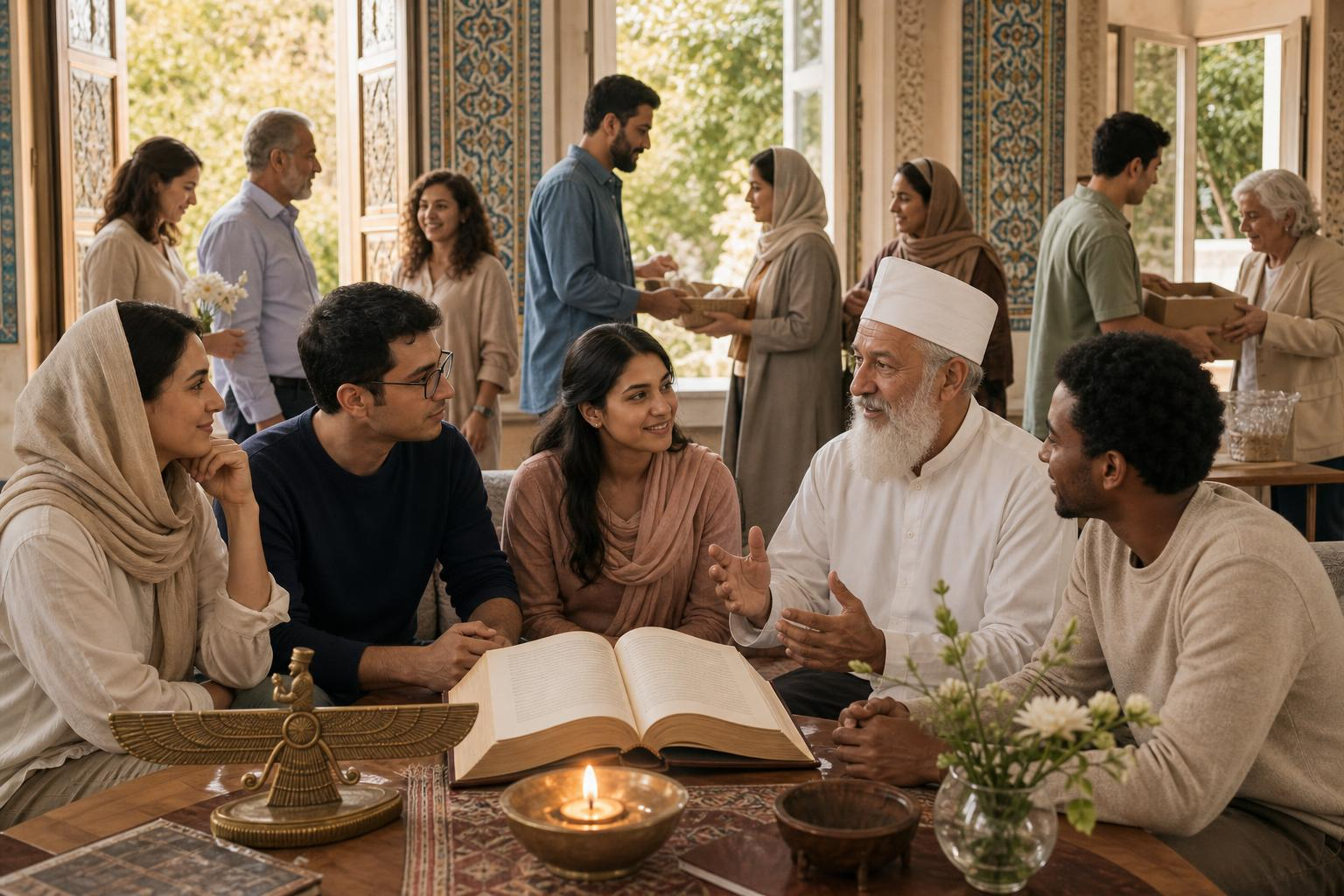
Quick answer: “Zoroastrian good thoughts, words, and deeds” is a core ethical teaching in Zoroastrianism. It points to a life shaped by right intention, truthful speech, and helpful action, but it does not sum up the whole faith. In Zoroastrian context, this teaching is tied to Zarathushtra’s message, the Gathas, and the broader idea of living in harmony with truth and righteousness. (pluralism.org)
This guide explains the phrase plainly, shows how it differs from a full religion overview, and offers respectful, practical ways to understand it without flattening Zoroastrian diversity.
What Zoroastrian good thoughts, words, and deeds means
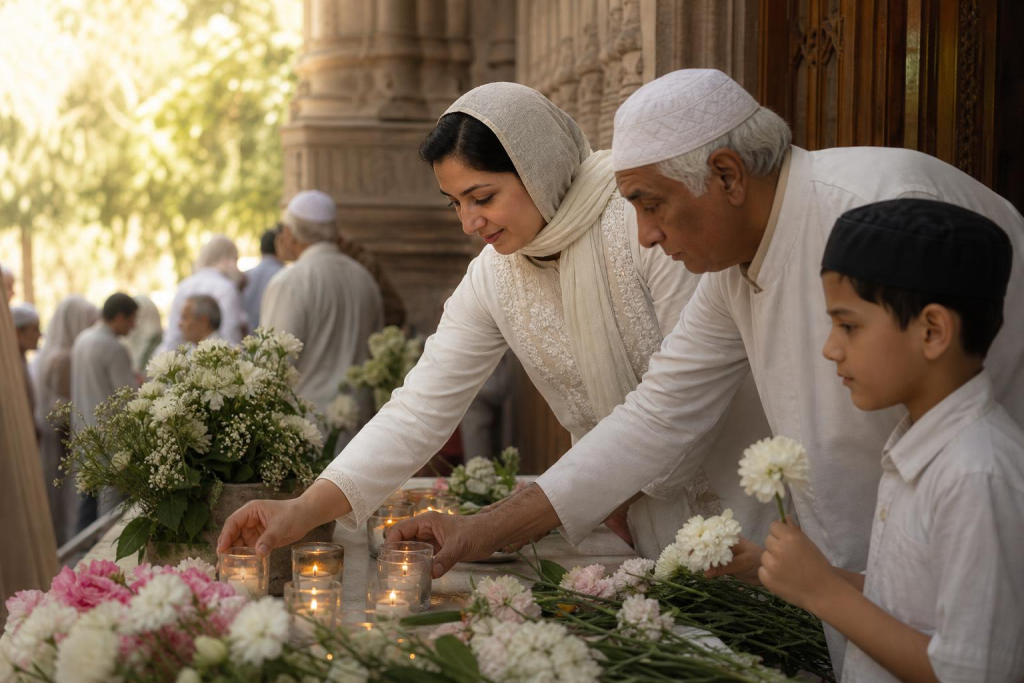
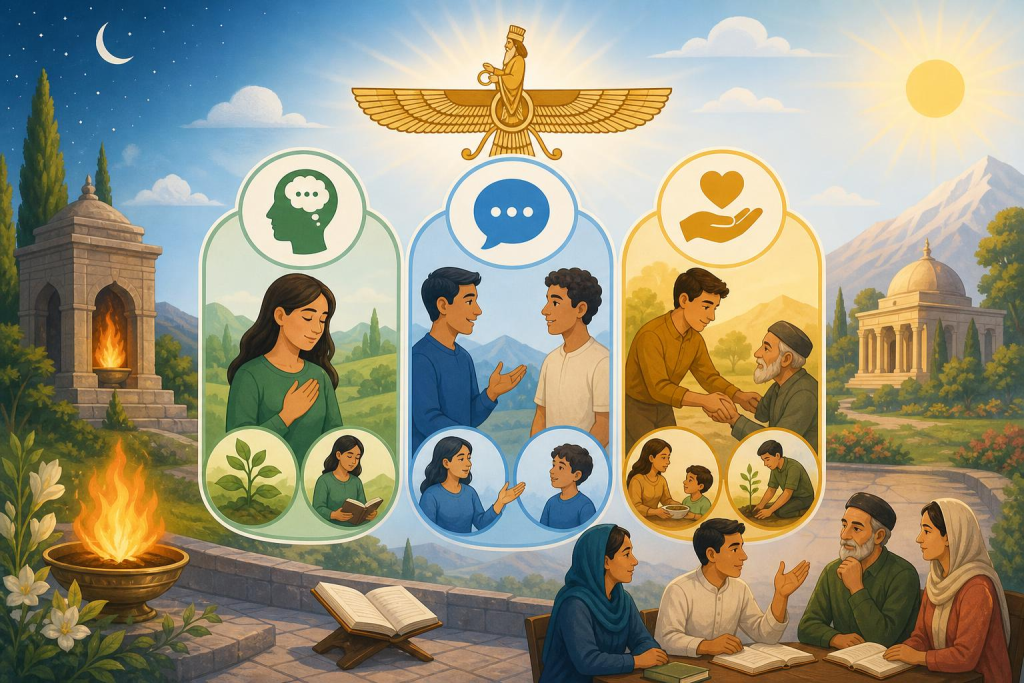
Zoroastrian good thoughts, words, and deeds is often used as a short summary of Zoroastrian ethics. The idea is simple and sturdy: what you think, what you say, and what you do all matter. In the sources commonly used to introduce the faith, this ethic is presented as a central path for living well, not merely as a nice slogan. (pluralism.org)
In Zoroastrian teaching, this triad is connected to choosing truth, order, and good action rather than dishonesty or harm. The Pluralism Project describes the Gathas as teaching a life of good thoughts, good words, and good deeds, and the Zarathushtrian Assembly likewise presents the phrase as a core part of the tradition’s ethical teaching. (pluralism.org)
Example: A person may begin with a sincere intention, speak kindly even when disagreeing, and then follow through with a helpful action. That is the everyday shape of this teaching.
Short answer: Inner truth, honest speech, good action.
How the phrase fits into Zoroastrian context
This teaching belongs to Zoroastrianism, an ancient Persian religion associated with Zarathushtra and the Gathas, the hymns that many scholars and Zoroastrian educators treat as especially important. The Pluralism Project describes Zoroastrianism as a monotheistic religion whose ethical path calls people to good thoughts, good words, and good deeds. (pluralism.org)
It is important not to treat the phrase as if it replaces the whole religion. Zoroastrian life also involves ideas such as truthfulness, moral choice, and living in alignment with righteousness. The triad is a window into the faith, but not the entire house. That distinction matters if you want to speak respectfully and accurately. (pluralism.org)
If you want a broader orientation to the religion, the pillar resource at the civil wedding ceremony guide is not the right fit for this topic, but it shows how Ministries of Love organizes practical guidance around distinct questions instead of blending everything together. For a religion-focused next step, keep reading here and use the sources below.
Good thoughts, words, and deeds in daily life
The phrase is memorable because it is usable. It gives people a simple way to examine daily choices. A helpful thought is one that is honest and constructive. A good word is truthful, measured, and kind. A good deed is action that helps rather than harms. That basic pattern is widely used in modern explanations of Zoroastrian ethics. (pluralism.org)
In practice, that may look like pausing before speaking, checking whether a comment will heal or wound, and making sure your actions match your intentions. The strength of the teaching is that it joins inner life and public life. It does not let a person hide behind “I meant well” if the words and actions are cruel. Nor does it excuse outward good deeds that are built on dishonesty. (iranicaonline.org)
For couples, families, volunteers, and clergy, this ethic can be a steady compass during stressful planning. It asks: Are we being truthful with one another? Are our words calming or inflaming? Are our choices helping the people around us? That kind of reflection is useful in any faith setting. (pluralism.org)
Simple self-check
- Is my intention honest?
- Are my words kind and clear?
- Does my action help rather than harm?
- Would I be comfortable if this were public?
How it differs from a full religion overview
One common mistake is to treat “good thoughts, words, and deeds” as if it were the entire content of Zoroastrianism. It is not. It is a central ethical teaching, but the faith also includes theology, ritual life, sacred texts, community traditions, and diverse interpretations among Zoroastrians in different places and communities. (pluralism.org)
Another mistake is to assume every Zoroastrian community uses the phrase in exactly the same way. Religious communities are living communities. They preserve core teachings while also adapting language, emphasis, and practice across regions and generations. A respectful explanation leaves room for that diversity instead of forcing a single definition. (zoroastrian.org)
| Topic | What it tells you | What it does not tell you |
|---|---|---|
| Good thoughts, words, deeds | A core ethical pattern in Zoroastrianism | The whole religion, every ritual, or every belief |
| The Gathas | Important Zoroastrian teachings linked to Zarathushtra | A complete replacement for lived community practice |
| Zoroastrian communities | Diverse lived traditions and interpretations | A single uniform practice everywhere |
This is the right way to think about the phrase: as a doorway, not a ceiling. It opens understanding, but it should not close inquiry. (pluralism.org)
Respectful ways to talk about the phrase
If you are explaining Zoroastrian good thoughts, words, and deeds in a church, classroom, interfaith event, or community setting, keep the language plain and careful. Say what the phrase is, name its religion, and avoid turning it into a generic proverb with no context. That small act of precision shows respect. (pluralism.org)
It also helps to use “some Zoroastrians” or “many introductions to Zoroastrianism” when appropriate, especially if you are discussing interpretation rather than doctrine. That language avoids overclaiming and leaves room for actual religious diversity. (zoroastrian.org)
For readers who are also planning a faith-adjacent ceremony or ceremony reading, Ministries of Love’s wedding vows and speeches guide may be a helpful next step because it shows how to choose words that are sincere, clear, and fitting for the moment. That is a practical way to honor “good words” in a modern setting.
What a practical reflection question can reveal
What kind of life would reflect good thoughts, good words, and good deeds in a way that fits your real responsibilities?
Example: You may be planning a family event, supporting a volunteer team, or trying to speak more patiently at home. In that case, the question may point you toward honest communication, steadier choices, and one concrete act of service this week.
Short answer: Small faithfulness, repeated consistently.
This question is useful because it turns a noble phrase into daily practice. The teaching becomes less abstract when you connect it to one conversation, one apology, one act of generosity, or one promise kept on time. That is where moral language becomes lived ethics. (pluralism.org)
How Ministries of Love approaches respectful support
Ministries of Love serves couples, ministers, churches, venues, donors, and volunteers with compassionate and practical resources. In a topic like this, the useful role of the ministry is not to flatten Zoroastrianism into a slogan, but to support respectful understanding and accessible communication across faith lines. That includes treating every faith tradition as internally diverse and worth careful listening.
If your next step is not theological study but community involvement, the ministry’s get involved page may be a useful place to explore service-minded participation. If you are looking for support rather than volunteering, get support is a better fit. If your community work depends on donations, cash donation can be shared as a possible next step when appropriate. These links should only be used where they genuinely match the reader’s need.
That practical approach mirrors the spirit of the topic itself: good thought, careful speech, helpful action. Those are good habits in ministry, too.
Key takeaways
Zoroastrian good thoughts, words, and deeds is a core ethical teaching, not a full summary of the religion. It ties intention, speech, and action together in a way that encourages truthfulness and helpful living. In respectful writing, it should always be placed in Zoroastrian context and handled with care for community diversity. (pluralism.org)
When you explain it clearly, you help people understand both the phrase and the faith behind it. That is the kind of clarity that serves families, classrooms, churches, and interfaith neighbors alike.
Frequently Asked Questions
What does Zoroastrian good thoughts, words, and deeds mean?
It means living with good intention, truthful speech, and helpful action. In Zoroastrian context, it is a core ethical teaching rather than a complete summary of the religion. ([pluralism.org](https://pluralism.org/ancient-faith-in-the-modern-world))
Is good thoughts, words, and deeds the whole of Zoroastrianism?
No, it is not the whole religion. It is a central moral teaching that sits within a wider faith with theology, texts, ritual, and community life. ([pluralism.org](https://pluralism.org/ancient-faith-in-the-modern-world))
How is this different from a religious slogan?
It is different because it points to a lived ethic, not just a catchy phrase. The teaching connects inner thought, spoken words, and outward deeds. ([pluralism.org](https://pluralism.org/ancient-faith-in-the-modern-world))
Can people outside Zoroastrianism learn from this teaching?
Yes, they can learn from it respectfully. The phrase offers a clear moral framework, but it should still be identified as a Zoroastrian teaching and not detached from its tradition. ([zoroastrian.org](https://zoroastrian.org/))
How should I mention this phrase in an interfaith setting?
Use the phrase with its religious context and avoid claiming it represents all Zoroastrians in exactly the same way. A careful introduction helps keep the explanation respectful and accurate. ([zoroastrian.org](https://zoroastrian.org/))
Leave a Reply