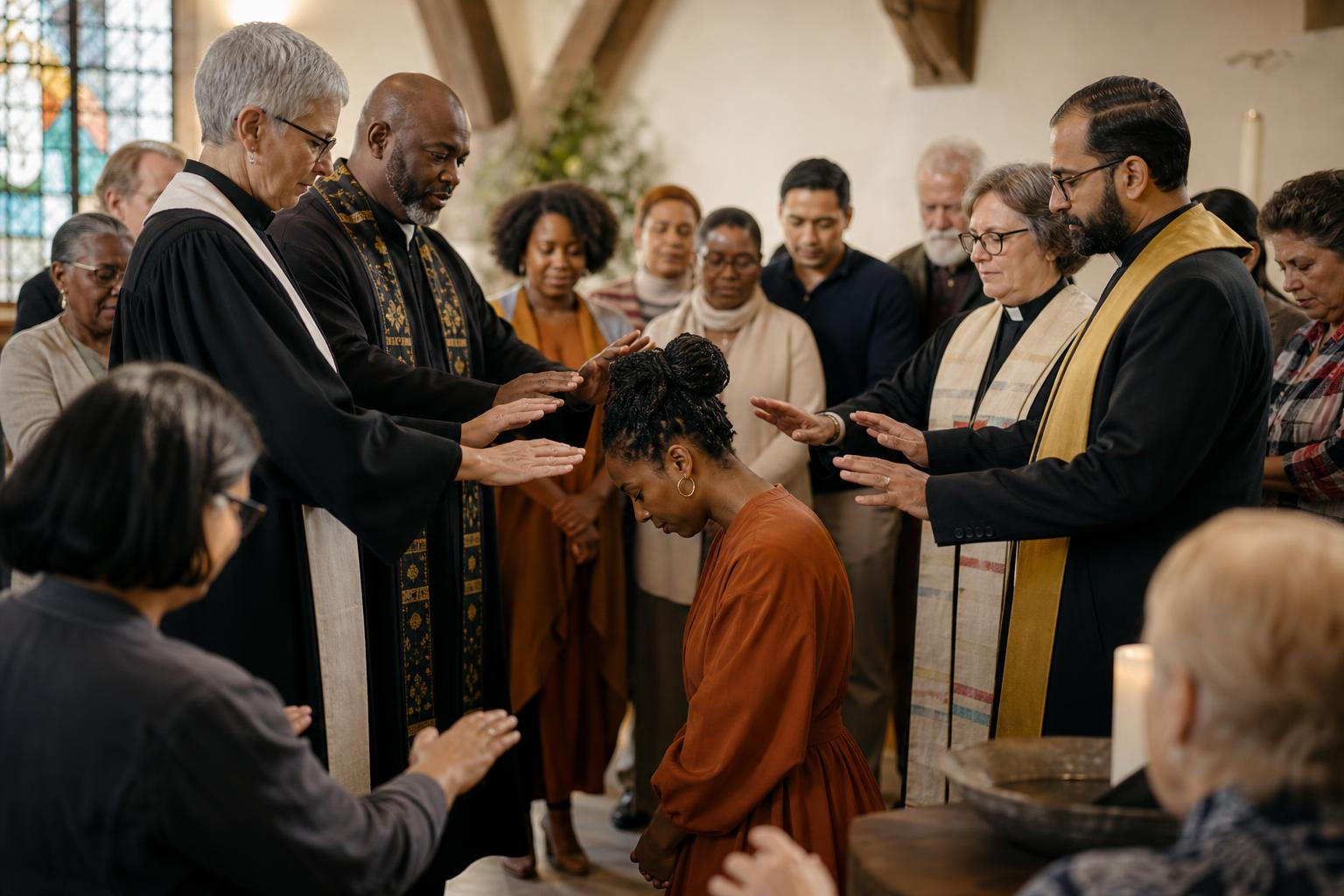
What is ordainment? In simple terms, it is the setting apart of a person for spiritual service, leadership, or ministry. In many faith traditions, ordainment carries both meaning and responsibility: a public recognition of calling, and a private commitment to live with integrity, compassion, humility, and service. The details vary by religion and community, but the heart of it is usually the same—someone is entrusted to serve others faithfully, not to elevate themselves.
This guide explains the spiritual meaning of ordainment, how it differs across traditions, why it matters to communities, and what couples, ministers, and churches should verify locally before relying on any ordination-related claim.
What is ordainment in plain language?
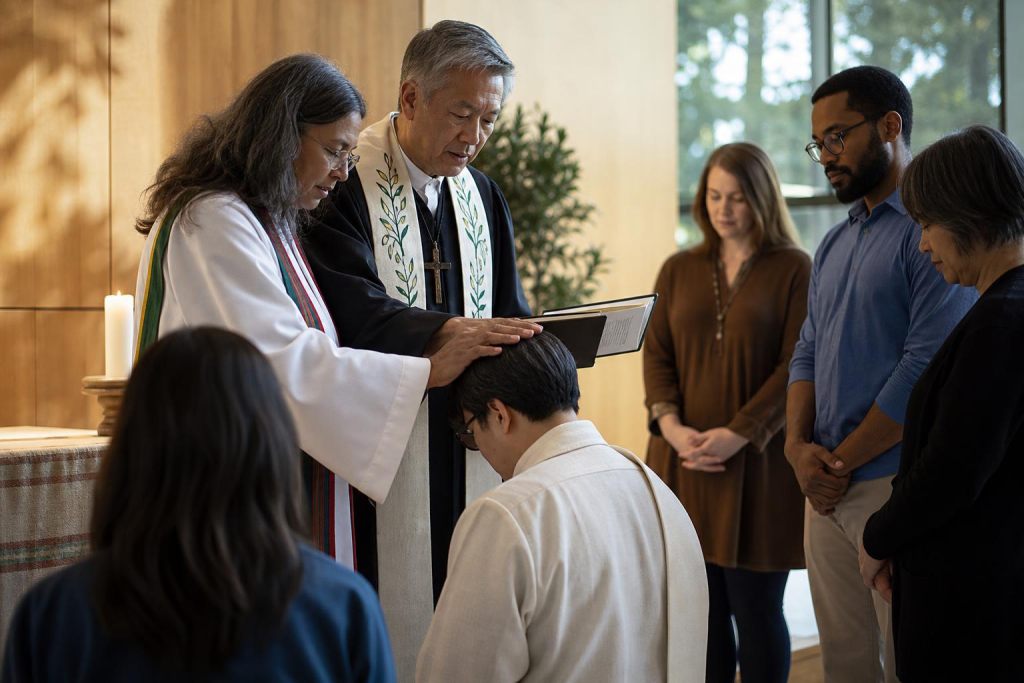
Ordainment is a religious or spiritual act of recognition. It usually marks the moment when a community publicly affirms that a person is prepared to serve in ministry, chaplaincy, priesthood, or another sacred role. In Christian settings, ordination is often described as a rite that sets a person apart for ordained ministry through prayer, blessing, and the community’s witness. Other faith traditions may use different language, practices, or levels of authority, and not every tradition uses the same process or even the same word. (usccb.org)
Why does that matter? Because ordainment is not just about title. It is about trust. Communities often understand it as a promise that the person will teach, guide, care for people, and act with reverence. In practical terms, ordainment says, “This person has been examined, affirmed, and entrusted to serve.” That trust should never be taken lightly. (ag.org)
Why ordainment matters spiritually and practically
At its best, ordainment matters because it forms a leader’s character as much as their role. Faith communities commonly connect ordainment with preparation, accountability, and service. The message is not “you are above others,” but “you are called to serve others well.” Some traditions emphasize public recognition by the church or community; others emphasize a deeper spiritual consecration. Either way, the purpose is to align authority with responsibility. (ag.org)
What should ordainment produce? Ideally, it should produce steadiness, moral seriousness, and a willingness to listen. A person who is ordained or ordained-like in a faith setting should be prepared to care for people in moments of grief, joy, conflict, and transition. That includes weddings, funerals, prayer, teaching, and pastoral presence. It also includes the less visible work of honesty, self-restraint, and accountability. (ag.org)
For communities of faith, ordainment can also be a way of saying that leadership is not self-appointed. It is discerned, tested, and entrusted. That matters because spiritual authority affects real people. When ordainment is healthy, it protects the congregation and honors the sacred work being done. When it is treated casually, trust can be damaged quickly. (chaplaincyinstitute.org)
How ordainment differs across traditions
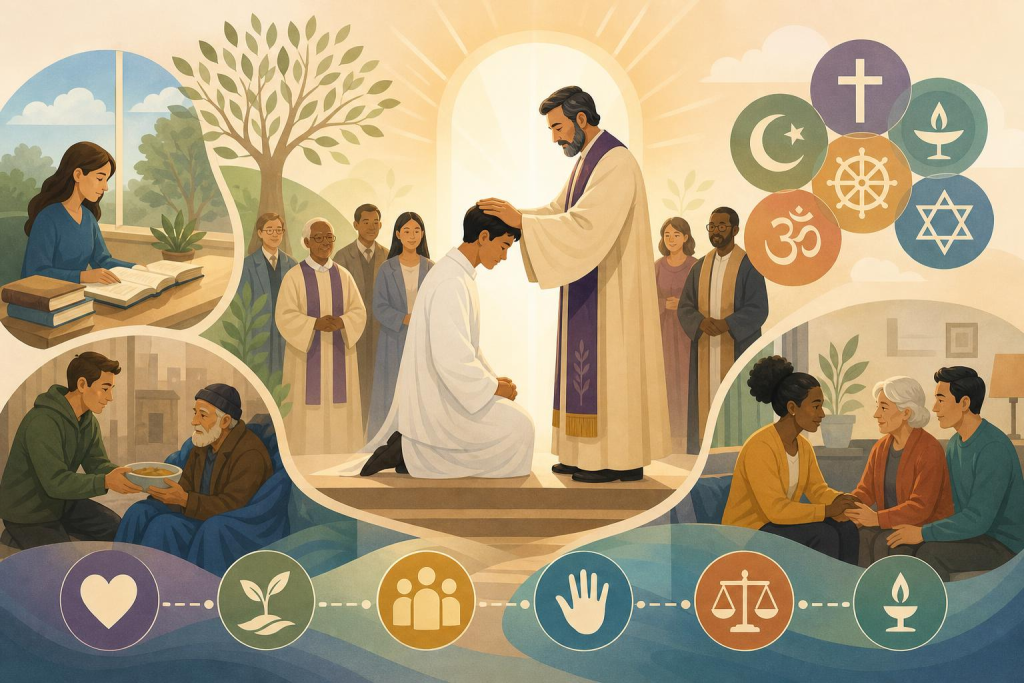
Not every tradition understands ordainment the same way. In Roman Catholic theology, ordination is a sacramental act with specific meaning and ritual. In many Protestant traditions, ordination may be the church’s public recognition of a minister’s call and readiness for service. In interfaith contexts, training and discernment may be structured differently again. A good rule of thumb is this: never assume one tradition’s rules apply to another. (usccb.org)
| Tradition or setting | Common emphasis | What to verify |
|---|---|---|
| Roman Catholic | Sacramental ordination and apostolic succession | Church-specific theology and recognition |
| Mainline Protestant | Public recognition of calling and pastoral responsibility | Denominational rules, education, and standing |
| Interfaith or non-denominational ministry | Training, discernment, and community affirmation | Organization standards and local legal recognition |
| Wedding officiant use | Authority to solemnize a marriage where allowed | State law, registration, and venue requirements |
This comparison is intentionally broad. It is meant to help readers notice differences, not flatten them. For a fuller look at marriage-ceremony planning and officiant context, see the civil wedding ceremony guide.
What ordainment asks of a leader
Spiritual ordainment should shape the way a leader behaves long after the ceremony ends. In practical terms, it asks for four things.
1. Integrity
Integrity means your public role matches your private conduct. A person who is ordained should be careful with words, money, boundaries, and power. That does not mean perfection. It means honest self-examination and a willingness to be corrected.
2. Compassion
Compassion means showing up gently for people’s real lives. Leaders hear grief, conflict, hope, and fear. Ordainment should make someone more patient, not less.
3. Humility
Humility means knowing the role is a trust, not a trophy. Wise leaders keep learning. They ask questions, accept oversight, and remember they do not carry every burden alone.
4. Service
Service means ministry is outward-facing. It exists for the good of other people. Whether the task is preaching, counseling, officiating, or visiting the sick, the focus stays on care rather than status. (ag.org)
What couples, ministers, and churches should verify locally
If you are asking what is ordainment because you want someone to officiate a wedding, here is the practical truth: the spiritual meaning is important, but local rules still decide whether the marriage is properly solemnized. Requirements can differ by jurisdiction, and some places may require registration, credentials, or other steps beyond ordainment itself. That makes local verification essential. State-specific claims should be reviewed by a qualified human before publication or use. (healthvermont.gov)
Checklist before a wedding ceremony:
- Confirm who is allowed to officiate where the wedding will happen.
- Ask whether ordainment, registration, or standing must be documented.
- Check whether the venue has its own ceremony rules.
- Verify who files the marriage paperwork and by when.
- Keep copies of every required document in one place.
If you want a broader planning resource, the wedding vows and speeches guide can help couples and officiants shape a ceremony that feels personal and clear.
For readers comparing legal and officiant pathways, the internal starting point at maps.ordainedpro.com may be useful. It should be treated as a starting point only, not a substitute for local government guidance. State-specific legal claims still need manual review. (healthvermont.gov)
Are you planning a wedding ceremony where a loved one may officiate? Example: A couple may want a faith-filled ceremony led by a trusted friend, but they also need to make sure the person’s role is recognized where the marriage will be filed. Short answer: Confirm local authority first.
How Ministries of Love can support this kind of care
Ministries of Love serves couples, ministers, churches, venues, donors, and volunteers with compassionate and practical resources. That matters here because ordainment is ultimately about service. A healthy ministry culture makes room for preparation, guidance, and dignity—not pressure or showmanship.
For readers who need a next step, the best fit may be to get support if they are navigating a ceremony or ministry question, or get involved if they want to help make meaningful celebrations more accessible. If someone simply wants to help the mission financially, cash donation may be a relevant next step. Availability, eligibility, and program details should always be confirmed directly.
In a very practical sense, that is part of what ordainment should inspire: people using their gifts to bless others without making the process harder than it needs to be. When ministry is grounded in humility and compassion, it becomes easier for couples and communities to experience care instead of confusion.
Common misunderstandings about ordainment
“Ordained” and “qualified” are not always the same. A person may be spiritually ordained but still need additional steps to meet a particular church’s, venue’s, or state’s requirements. That is especially true in wedding contexts. (healthvermont.gov)
“My tradition does it this way” does not mean every tradition does. Religious communities differ widely in theology, authority, and ritual. Respecting those differences is part of good ministry and good writing. (usccb.org)
“A big ceremony proves deeper calling” is not a safe assumption. Ordainment is about responsibility, not spectacle. A quiet, carefully discerned service can be just as meaningful as a large public event.
Conclusion: ordainment is a call to serve well
So, what is ordainment? It is a community’s way of saying that a person has been set apart for spiritual service and is expected to lead with integrity, compassion, humility, and care. The ceremony matters, but the life after the ceremony matters more. If you are a couple, officiant, church leader, or volunteer, keep the focus on faithful service and verify the local details before you move forward. That is the steady, respectful way to honor both the sacred meaning and the practical responsibilities of ordainment.
Frequently Asked Questions
What is ordainment in simple terms?
Ordainment is the setting apart of a person for spiritual service or leadership. In many faith settings, it is a public recognition that someone is called and prepared to serve responsibly.
Is ordainment the same as ordination?
Often, people use the words similarly, but they are not always identical. Different traditions may use different terms, and local or denominational rules can give each word a specific meaning.
Does being ordained mean someone can officiate a wedding anywhere?
No, not necessarily. Ordainment may be important spiritually, but marriage authority usually depends on local law and venue requirements, which can vary by jurisdiction.
Why does ordainment matter to a church or ministry?
Ordainment matters because it helps a community recognize leadership, accountability, and readiness to serve. It is meant to protect people and support faithful ministry, not just confer a title.
What should a couple verify before asking someone ordained to officiate?
A couple should verify that the officiant is recognized where the wedding will happen. They should also confirm paperwork, registration, and any venue-specific rules before the ceremony.
Leave a Reply