
Serve Others Without Money: Practical Ways to Help With Time, Skills, and Care
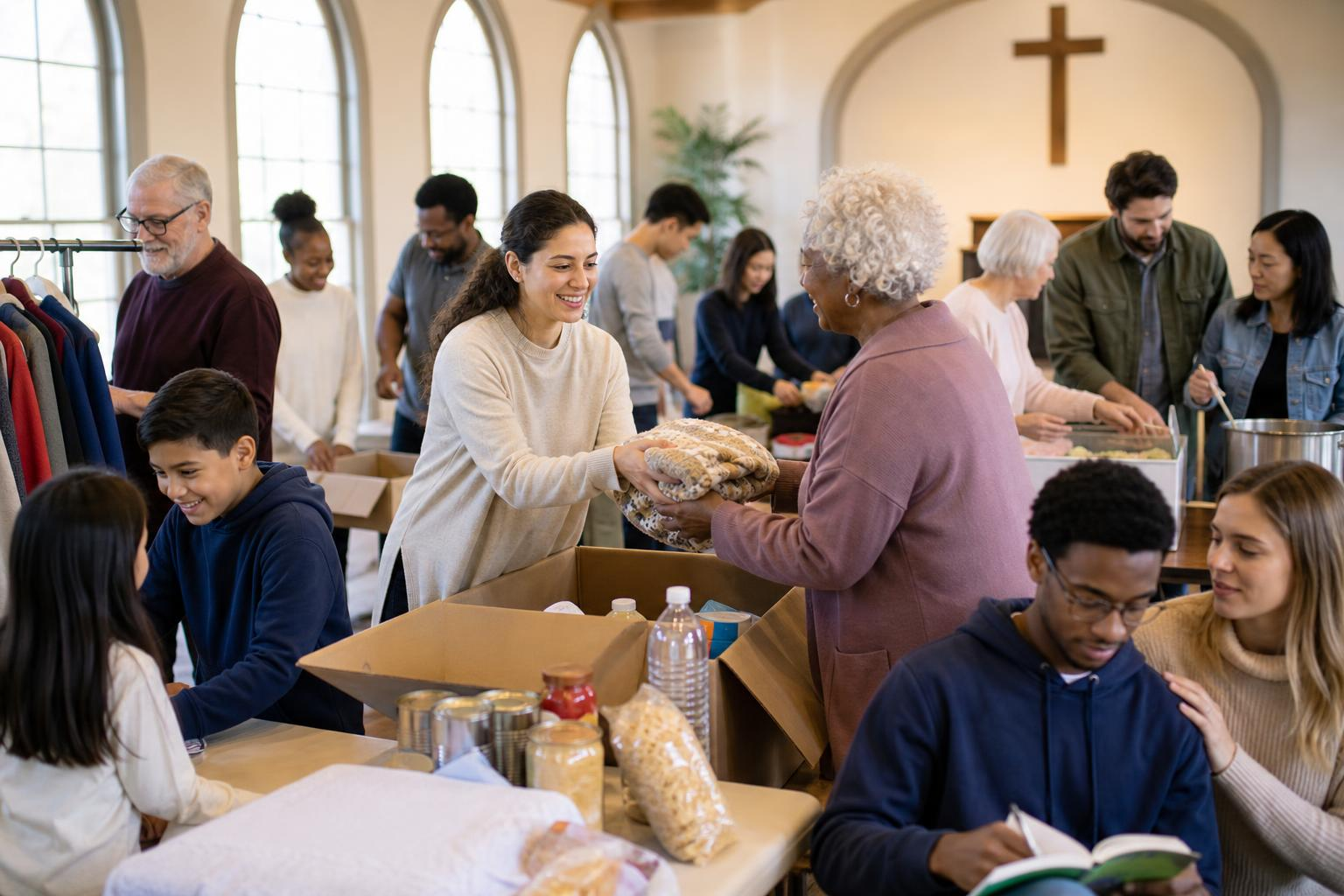
If you want to serve others without money, the short answer is this: you still have real value to offer. Time, transportation, organization, mentoring, practical skills, and steady encouragement can support a ministry just as surely as cash can. In faith communities, service is often about showing up, helping carry the load, and making someone else’s next step a little easier. That is good news for anyone who feels limited by finances but still wants to give faithfully and meaningfully.
This guide focuses on simple, realistic ways couples, volunteers, churches, and ministry leaders can contribute when money is tight. It is also a gentle reminder that service is not only for people with extra resources. It is for ordinary people offering ordinary gifts with care.
What it means to serve without a financial gift
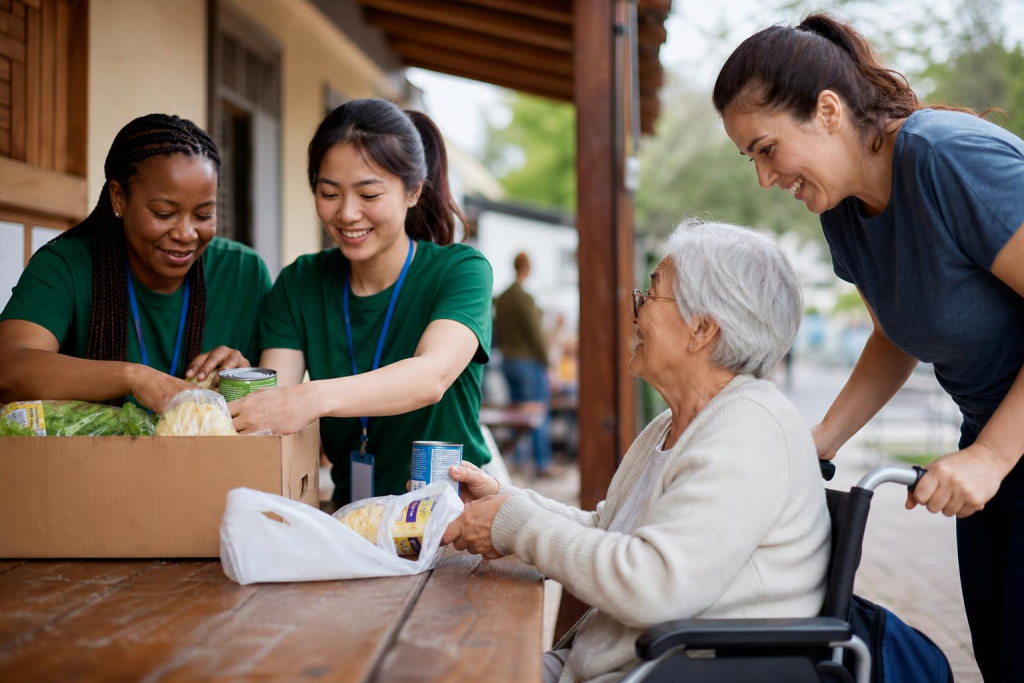
Serving without money means giving what you can reasonably give: your presence, your attention, your effort, or your abilities. In practice, that might look like driving someone to an appointment, helping a church set up chairs, proofreading an event flyer, or checking in on a family that is carrying a hard season.
Interfaith and civic service organizations consistently describe volunteering as a way to contribute time and talent, not just money. AmeriCorps, for example, frames service as a way for people of all ages and backgrounds to strengthen communities through their time and skills. Urban Institute research has also noted that volunteer service can build project management, time management, and team leadership skills while increasing community capacity. (americorps.gov)
Ways to serve others without money that really help
You do not need a large budget to be useful. You need a clear need, a willing heart, and a realistic plan. The strongest support often comes from small, repeatable acts that save other people time, stress, or labor.
1. Give time in a dependable way
Time is one of the easiest gifts to overlook and one of the most valuable to receive. You can volunteer for one event, commit to a weekly task, or offer a few hours a month. Steady reliability matters more than grand gestures.
2. Offer a skill you already have
Skills are service. If you can cook, write, clean, sew, organize spreadsheets, answer phones, build shelves, lead music, edit documents, or manage social media, those abilities may meet a ministry need directly. Interfaith America and AmeriCorps both describe service opportunities that rely on people bringing their talents to community work. (interfaithamerica.org)
3. Use transportation as a ministry
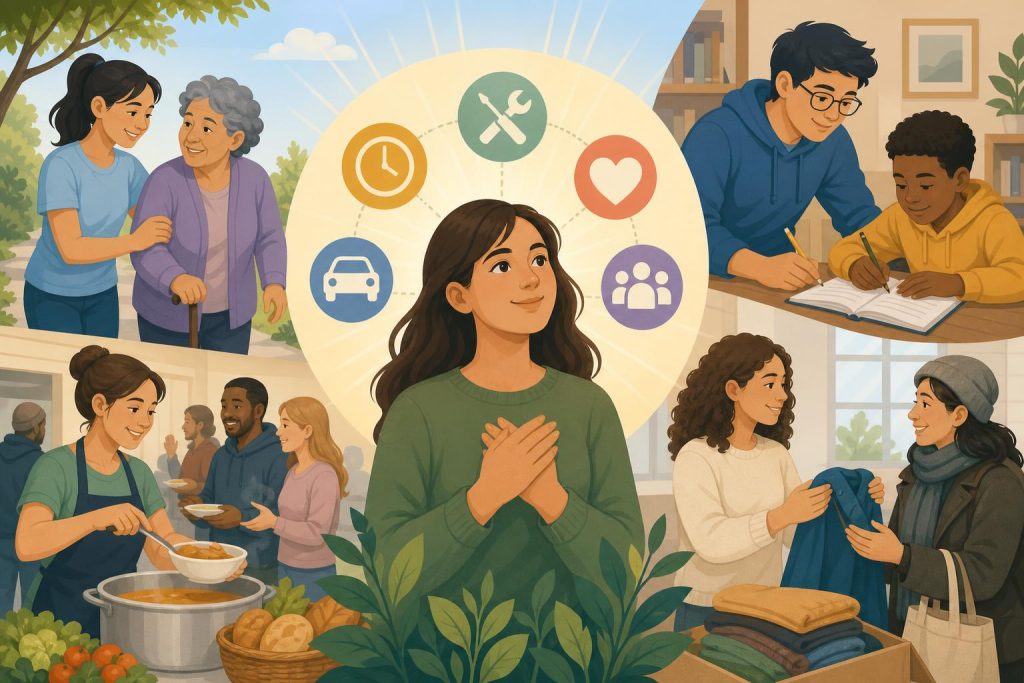
Many people miss out on support because they cannot get there. Giving a ride to a church meeting, food pantry, counseling appointment, volunteer shift, or community event can be a serious act of care. Transportation is often the quiet bridge that makes participation possible.
4. Help with organization and logistics
Some of the most needed service happens behind the scenes. You can label boxes, create sign-up sheets, track donations, set up chairs, clean up after events, or keep a schedule running. Community organizations often need people who can make things orderly so others can focus on the mission.
5. Mentor, encourage, and listen well
Many people do not need advice first; they need someone who will listen without rushing them. Mentoring a teen, encouraging a young couple, checking on an elder, or simply being a calm presence can strengthen a whole community. A good word at the right time is not small.
Quick ways to help this week
- Offer one hour of volunteer time
- Give one useful skill
- Provide one ride
- Handle one organizing task
- Send one encouraging check-in
How to match your gift to a real ministry need
Good service is not just about willingness; it is about fit. The right help at the wrong time can still become a burden, so it is wise to ask what the ministry actually needs before you commit.
| Gift you can offer | Best when a ministry needs… | Why it helps |
|---|---|---|
| Time | Consistent hands for repeated tasks | Creates dependable support without adding cost |
| Skills | Specialized help with a project | Brings useful knowledge the team may not have |
| Transportation | Access for people who cannot easily travel | Removes a practical barrier to participation |
| Organization | Order for events, supplies, or records | Frees leaders to focus on care and mission |
| Encouragement | Emotional steadiness and morale | Helps people keep going when they feel worn down |
Ask yourself: Where am I most helpful right now? Example: You may not be able to fund an outreach meal, but you can arrive early, set tables, greet guests, and stay after to clean up. Short answer: Serve where you are strongest.
Serve others without money while honoring your own limits
Faithful service should not destroy your health, family responsibilities, or work stability. Sometimes people think generosity means saying yes to everything, but wisdom says otherwise. Sustainable service protects your ability to keep serving over time.
That means being clear about your schedule, setting transportation boundaries, and naming what you cannot do. It also means recognizing that seasons change. A person who can volunteer heavily one month may need a lighter role the next month. That is not failure; that is reality.
For churches and ministries, this is also a leadership issue. Clear roles, simple instructions, and respectful scheduling make it easier for people with limited money or limited time to contribute. The goal is not to squeeze people. The goal is to invite them into meaningful participation.
A simple commitment rule
Before you say yes, ask three things:
- Can I do this without overextending myself?
- Can I do it well and on time?
- Can I repeat it if needed?
If the answer is no, scale back with honesty. That protects the mission and your peace of mind.
How churches and couples can use non-monetary service well
In wedding ministry, church life, and community support, non-monetary help can make a big difference. A couple may not be able to give much financially, but they might still assist with setup, offer a ride, lend a calm presence, or help another family feel welcomed. A volunteer may not have money for a donation basket, but they may have the hands and consistency needed to keep things moving.
If you are planning a civil wedding or a church-centered celebration, it may also help to understand where practical support fits alongside ceremony guidance. For a broader look at ceremony structure and what couples should verify locally, see the civil wedding ceremony guide. If you are preparing words for the day, the wedding vows and speeches guide can be a useful next step.
Ministries of Love also encourages people to find a place to serve that matches their capacity. If you are ready to get connected, the ministry’s get involved page is a practical place to begin.
Examples of low-cost service roles
- Greeter or hospitality helper
- Event setup and cleanup support
- Driver for people without transportation
- Mentor or encouragement partner
- Administrative helper for forms, lists, or schedules
- Prayer support, if that fits the community’s faith practice
How Ministries of Love can fit into a practical service mindset
Ministries of Love exists to support couples, ministers, churches, venues, donors, and volunteers with compassionate and practical resources. That matters because service often becomes possible when someone removes a barrier, gives clear direction, or helps a small team stay organized.
For readers who want to support the mission in a hands-on way, the ministry’s involvement pathways can help you find a role that fits your season. If your heart is to help more broadly, a cash gift can also strengthen community support efforts; if that is your intent, consider the cash donation page as a next step.
Even so, money is not the only way to participate. A volunteer who sorts supplies, a mentor who listens well, or a driver who helps someone arrive safely may be meeting a real ministry need with quiet dignity. That is honorable work.
Conclusion: small gifts can carry a real ministry
You do not need money to be useful, faithful, or needed. If you can give time, skill, transport, order, or encouragement, you can serve others in a meaningful way. Start small, stay honest about your limits, and choose one practical role you can do well.
Serving others without money is not a lesser form of generosity. It is often the kind that keeps ministries moving day by day. Take the next step, offer what you can, and let that be enough for today.
Frequently Asked Questions
How can I serve others without money if I am broke right now?
You can still help by offering time, skills, transportation, organization, or encouragement. Start with one small, reliable task you can repeat without hurting your own stability.
What are some real ways to help a church when I cannot donate cash?
You can greet people, set up chairs, drive someone to an event, proofread a flyer, clean up after services, or mentor a younger member. Churches often need dependable helpers more than they need grand gestures.
Is volunteering my time as valuable as giving money?
Yes, it can be very valuable. Many ministries depend on volunteers to provide labor, continuity, and care that money alone cannot replace.
How do I know which skill to offer first?
Start with the skill people already trust you to use well. If you are organized, handy, kind with children, good with schedules, or calm under pressure, those are all service strengths.
What if I want to help but I do not have much free time?
You can still serve in short, focused ways. Even one hour a month, if it is dependable, can help a ministry plan and move forward.
Leave a Reply