
Published: July 28, 2026
The Power of Kind Words: How a Gentle Voice Can Become Someone’s Blessing
Answer in plain terms: The power of kind words is that they can steady a hurting heart, strengthen trust, and leave someone feeling seen, valued, and less alone. In a faith setting, kind words can also become a blessing by pointing people toward hope, peace, and courage without pretending life is easy. This matters in marriages, ministries, volunteer teams, and everyday conversations alike.

Most people do not need more noise. They need words that are true, timely, and tender. A kind sentence can soften a hard day, calm a tense room, or help someone take the next faithful step. That does not mean every problem disappears. It means our speech can carry grace instead of pressure. Research and public-health guidance also support what many faith communities have long known: supportive, respectful communication helps people feel heard and less alone. (cdc.gov)
What the power of kind words really means
Kind words are not flattery. They are honest words shaped by care. They can be encouragement, reassurance, gratitude, apology, or blessing. In practice, that means speaking with enough warmth that the other person feels respected, and enough truth that the words still carry weight.
In many faith traditions, speech is never “just speech.” Words can build a household, strengthen a congregation, or reopen a wound. Proverbs 16:24 is often used to describe how kind speech can be sweet, healing, and life-giving, and that image still lands today because people remember how they were spoken to long after they forget the exact details of a conversation. (cdc.gov)
Why kind words feel so different
They lower defensiveness. People can hear hard truths more openly when they do not feel attacked.
They build belonging. Supportive language helps people feel included, especially when life has been stressful or isolating. (cdc.gov)

They remind people of their dignity. Respectful language reduces stigma and strengthens trust. (cdc.gov)
How kind words bless people in everyday life
Kindness becomes a blessing when it helps someone carry what they could not carry alone. That might be a spouse who feels overwhelmed, a minister who is worn down, a volunteer who wonders whether their effort matters, or a guest who comes into a church or event space carrying private grief.
| Situation | Helpful kind words | Why it helps |
|---|---|---|
| Someone is grieving | “I’m so sorry. I’m here with you.” | Offers presence without forcing cheerfulness |
| A couple is arguing | “I want to understand, not win.” | Softens conflict and invites listening |
| A volunteer feels unseen | “Your help mattered today.” | Names contribution and builds morale |
| A church member is anxious | “You do not have to carry this alone.” | Communicates care and shared burden |
That pattern shows up in communication research too. Supportive messages, including brief texts, can improve mood and help people feel encouraged. In one university-reported study, even short supportive partner texts helped recipients feel better, which is a good reminder that kindness does not have to be long-winded to be meaningful. (news.cornell.edu)
How the power of kind words works in faith communities
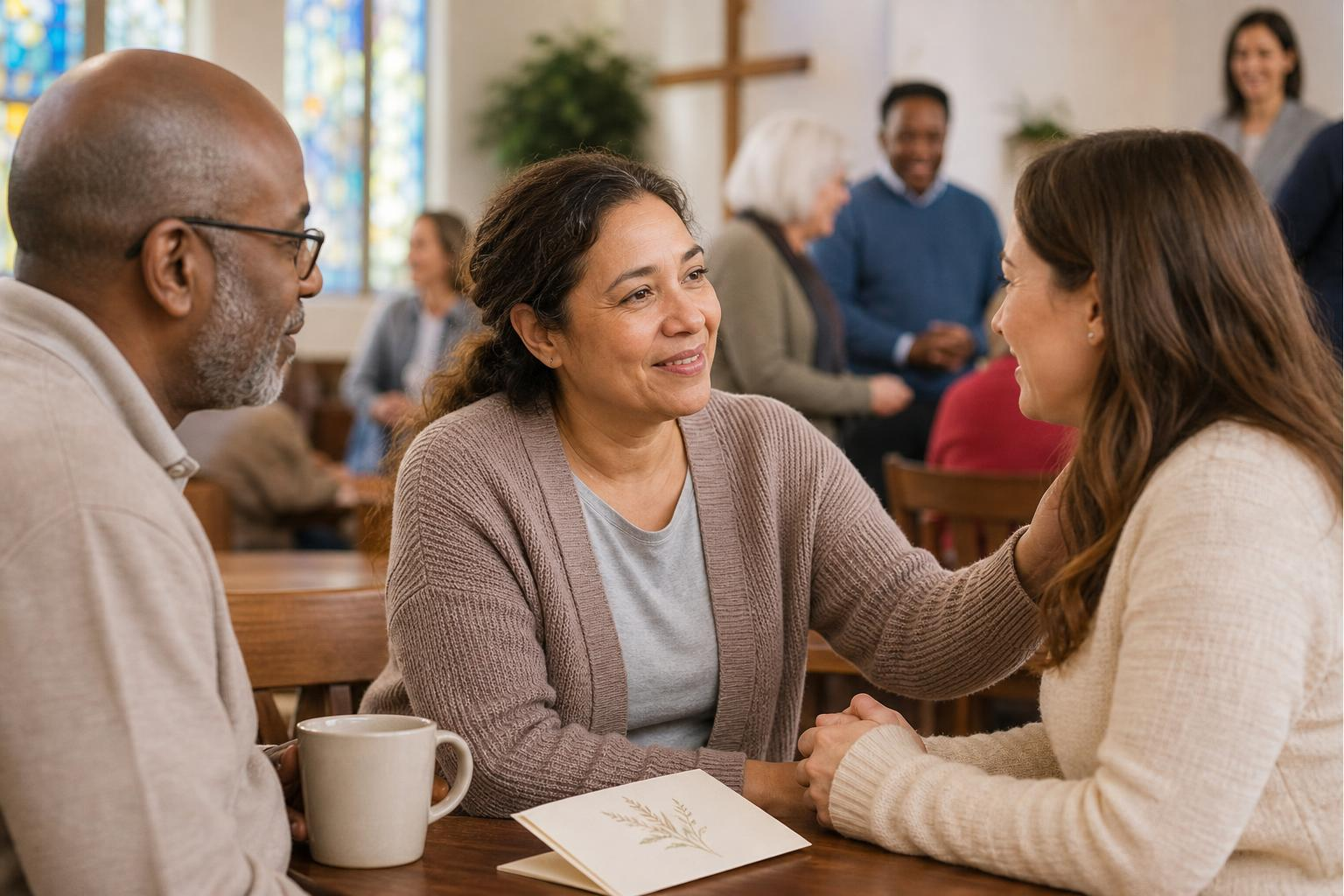
Faith communities are often where words carry extra weight. A blessing spoken in church, a gentle conversation after service, or a note of encouragement from a ministry volunteer may be the difference between someone feeling forgotten and someone feeling upheld.
At Ministries of Love, this kind of encouragement fits naturally with compassionate wedding assistance, ordainment and ministry guidance, community outreach, and efforts that make meaningful celebrations more accessible. Not every need requires a grand solution. Sometimes the ministry begins with a calm voice, a respectful answer, and words that help people take the next step with dignity. For couples looking for a broader framing of faith-centered celebration, the power of love in community is a helpful companion reading.
For ministers and volunteers
Lead with steadiness. People remember whether you rushed them or received them.
Use person-first language. Respectful wording helps reduce shame and supports trust. (cdc.gov)
Speak hope without pressure. Encouragement should not sound like denial. “This is hard, and you are not alone” is often wiser than “Everything happens for a reason.”
What to say when you want to bless someone
Good intentions are valuable, but thoughtful phrasing is what people actually receive. A blessing can be as simple as naming what is true and good about the person in front of you.
Try these categories of kind words
Encouragement: “You’re making progress, even if it feels slow.”
Affirmation: “I see how much care you put into this.”
Comfort: “It makes sense that this is heavy.”
Gratitude: “Thank you for showing up with a good heart.”
Blessing: “May peace meet you in the middle of this day.”
Quick checklist before you speak
- Is it true?
- Is it kind?
- Is it needed right now?
- Will it help the person feel seen?
- Does it leave room for their dignity?
If you are preparing vows, a homily, a toast, or a note of blessing, the language matters even more. The wedding vows and speeches guide can help you shape words that are heartfelt without becoming overcomplicated.
How to make kind words honest, not empty
Some people worry that kindness sounds fake if it is too gentle. That is a fair concern. The answer is not harshness; it is sincerity. Honest kindness speaks plainly and compassionately at the same time.
A simple three-step method
- Notice: Name what you genuinely see. “You’ve been carrying a lot.”
- Affirm: Point to a real strength or value. “You’ve handled it with courage.”
- Offer: Give a practical next step. “How can I help today?”
This approach works because it does not flatten the person into a slogan. It meets them where they are. That is especially important in ministry and marriage conversations, where people can sense quickly whether words are grounded or rehearsed.
Example: A couple is stressed about planning a small ceremony and starts feeling embarrassed that they cannot do everything they hoped for. You might say, “Your wedding still deserves joy and dignity, and the size of the budget does not reduce the value of your commitment.” Short answer: Truthful comfort, not pressure.
Planning question: what kind of blessing does this person need most?
Ask yourself whether they need comfort, courage, gratitude, correction, or simply a calm presence. Example: If a volunteer has had a difficult week, a supportive note that says, “You mattered here today, and your care was noticed,” can be more helpful than a long explanation. Short answer: Match words to need.
That same discernment matters for anyone helping with ceremonies or church-supported celebrations. If your next step involves civil ceremony planning or questions about local officiation, use the broader civil resource first and then verify local rules carefully. For a starting point, see the civil wedding ceremony guide and, where state-law or officiant-requirement questions come up, the internal starting point at maps.ordainedpro.com. Any legal or state-specific details should be reviewed locally before publication or planning. (cdc.gov)
How Ministries of Love can help people speak with compassion
When a ministry is rooted in care, its words become part of its witness. Ministries of Love can support couples, churches, donors, and volunteers by encouraging practical compassion, respectful speech, and accessible celebrations that honor both faith and dignity. If a reader needs direct support, the next step may be to get support, get involved, or consider a cash donation when that is a genuine fit for their intentions and values.
That said, a blessing does not require a platform. Sometimes it is a text that says, “I remembered you today,” or a quiet prayer spoken with care. The power of kind words is not that they are dramatic. It is that they are faithful, human, and often exactly what someone needs.
Conclusion
The power of kind words is easy to underestimate and hard to forget. A few sincere sentences can calm fear, strengthen relationships, and become a small but real blessing in someone’s day. If you speak with honesty, warmth, and respect, your words can carry more than information; they can carry peace. Start there, keep it simple, and let kindness do its quiet work.
Frequently Asked Questions
What does the power of kind words mean in everyday life?
It means your words can comfort, encourage, and strengthen someone in practical ways. Kind speech can make a stressful moment feel safer and more human.
How can kind words become a blessing?
They become a blessing when they help someone feel seen, valued, and less alone. In faith settings, that often looks like encouragement, comfort, or a sincere spoken blessing.
What should I say if I do not know what to say?
Say something simple and honest. "I’m here with you" or "I care about you" is often better than trying to force a perfect response.
Is being kind the same as avoiding hard truths?
No, it is not. Kindness can still be direct; it just delivers truth with respect instead of harshness.
How can churches or ministries use kind words well?
They can use language that listens, affirms dignity, and avoids shame. That matters in counseling, hospitality, worship, and wedding support alike.
Leave a Reply