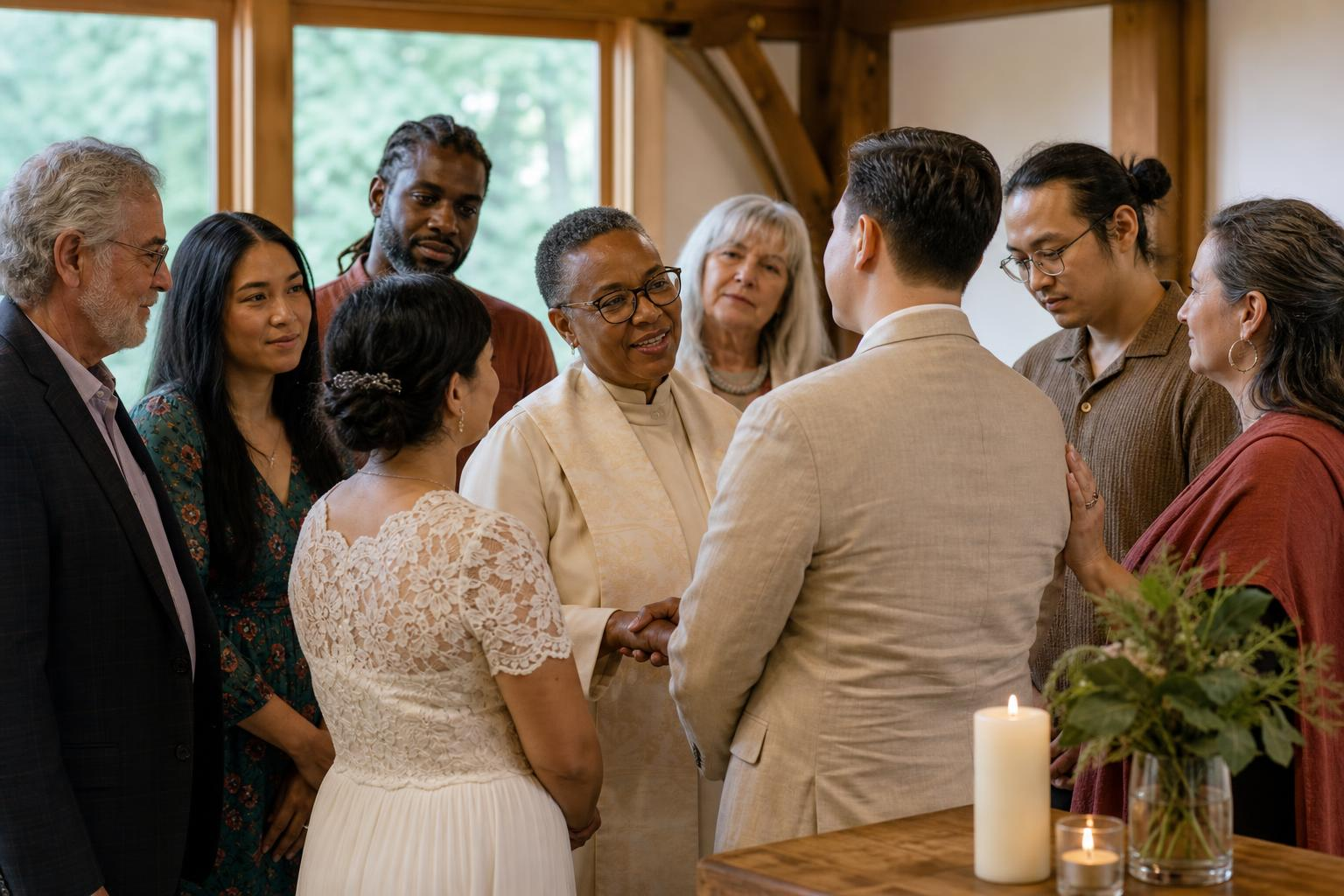
For many people, ordainment is more than a title because it marks a shift from wanting to serve to living in service. At its best, ordination is not about status or appearance. It is about character, accountability, care for others, and a willingness to keep learning. Different faith communities define ordination in their own ways, but a common thread is that the role exists to support people, not to elevate the person wearing the title. (dictionary.cambridge.org)
This guide focuses on what that call looks like in practice: how service shapes the meaning of ordainment, what a serious candidate should consider, and how communities can recognize faithful leadership without turning ministry into performance. If you are also planning to officiate weddings, you may want the broader civil wedding ceremony guide and the wedding vows and speeches guide as next steps.

What ordainment is really asking of a person
Ordainment is more than a title because it usually points to a public responsibility: to serve, listen, and carry spiritual care with humility. In many traditions, ordination is understood as a ceremony or process that designates someone for ministry on behalf of a community. That can involve preaching, pastoral care, ritual leadership, teaching, chaplaincy, or support at major life moments. (dictionary.cambridge.org)
That does not mean every ordained person serves in the same way. Faith traditions are diverse, and even within one tradition, the role can vary widely. The safer and more respectful way to think about ordination is this: the title names a commitment, while the real work is shaped by the people being served.
Ordainment is more than a title, so what does service look like?
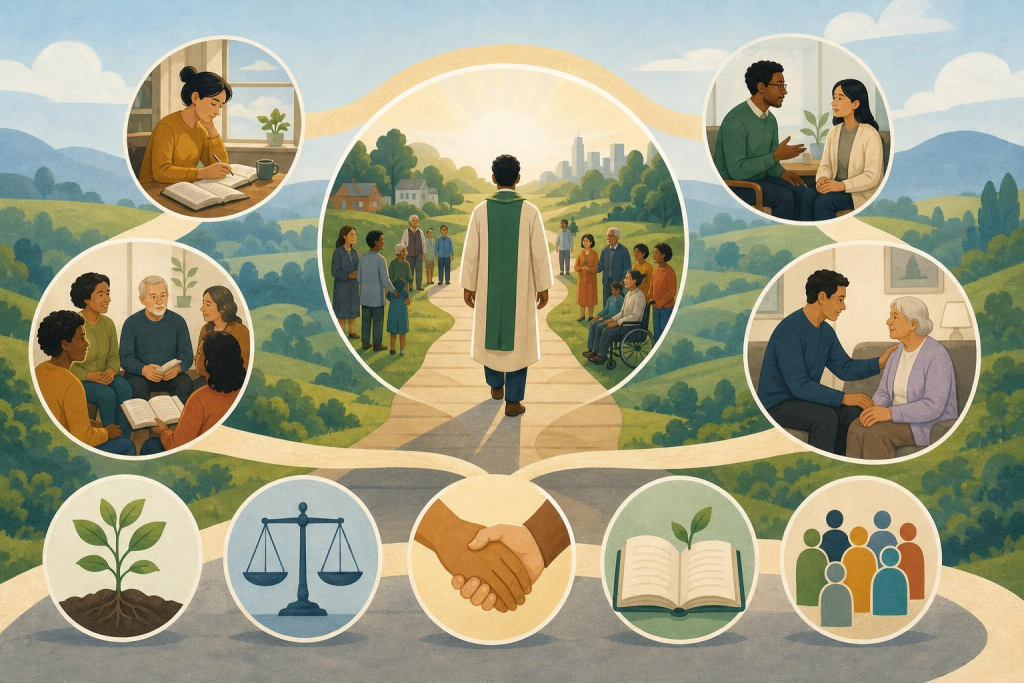
Service is the heart of the matter. For one minister, service may mean visiting the sick, leading prayer, or teaching. For another, it may mean officiating weddings, providing grief support, or helping people feel safe in sacred space. The exact shape differs, but the posture should stay the same: attentive, steady, and oriented toward others. (interfaithfoundation.org)
Here is a helpful planning question: What kind of minister do you want to become? Example: You may be drawn to officiating weddings, but also want to offer calm presence in funerals, hospital visits, or community gatherings. Short answer: Define your service shape first.
That question matters because ordination can become empty if it is treated like a credential alone. A title may open doors, but character keeps those doors open. Communities notice whether someone shows up with consistency, respect, and care.
How different traditions understand ordination
There is no single universal model. In some Christian traditions, ordination is sacramental and closely tied to specific church offices and ritual language. In interfaith or non-denominational settings, ordination may emphasize a call to service across traditions and contexts, with more room for personal formation and community-based ministry. (usccb.org)
That diversity is important. It means readers should avoid assuming that one tradition’s expectations apply everywhere. If you are discerning ordination, ask three simple questions:
- What does this community believe ordination means?
- What duties are expected after ordination?
- What continuing support or supervision is offered?
Those questions help protect both the minister and the people they serve. They also keep the process grounded in reality instead of image.
What to verify before serving publicly
If your ordination may be used for weddings, chaplaincy, or other public ministry, verify the practical requirements before you say yes to anyone. Rules can differ by state, county, denomination, and venue. A person may be fully sincere and still be unable to legally officiate in a specific jurisdiction without the right authorization. (sll.texas.gov)
Quick verification checklist
- Confirm what your ordaining body authorizes.
- Check the local marriage or officiant rules where you will serve.
- Ask whether registration, filing, or proof of ordination is needed.
- Keep a copy of documents you may need to present.
- Review whether the venue or couple has extra requirements.
If you are in a state-specific situation, a useful starting point is OrdainedPro Maps, then confirm details with the relevant government office. Because requirements can change and vary, any legal claim about officiating should be reviewed by a human before publication or action. (sll.texas.gov)
Choosing character over performance
Some people imagine ministry as public speaking, formal clothing, or the ability to say the right words. Those things may matter in context, but they are not the center. The center is trust. A minister earns trust by being truthful, prepared, discreet, compassionate, and dependable. That is true whether the setting is a church, a hospital room, a wedding aisle, or a community meal.
A good rule of thumb is simple: if the title disappears and the service remains, the calling is probably grounded. If the title becomes the main attraction, the focus may have drifted. Communities do not need polished performers nearly as much as they need steady servants.
| Question | Title-centered approach | Service-centered approach |
|---|---|---|
| Why pursue ordination? | To gain a role or label | To answer a call to serve |
| What matters most after ordination? | Visibility and recognition | Care, integrity, and consistency |
| How should growth happen? | On your own, if at all | Through accountability and formation |
| How does the community experience the minister? | As a symbol | As a helpful, grounded presence |
How Ministries of Love fits this calling
Ministries of Love can support people who want to serve with compassion and practicality. That may include helping couples prepare for meaningful ceremonies, supporting ministers who want to lead with care, or encouraging volunteers and donors who want faith-rooted community impact. The larger point is not to make ministry bigger than life; it is to make it more useful, more humane, and more accessible.
If you are discerning how to help, a next step may be to visit Get Support for compassionate guidance, or Get Involved if you want to serve with your time and gifts. If your desire is to help make meaningful celebrations more accessible, Cash Donation may be a practical option to explore, if it fits your situation and values. Any specific program availability should be confirmed directly. (dictionary.cambridge.org)
For Ministries of Love, the message is steady: ordainment is not just a label attached to a person. It is a way of becoming someone who can be trusted to serve others well.
Next steps if you are discerning ordination
If you are still deciding, take the process slowly. Write down the kind of ministry you feel drawn toward. Talk with trusted leaders who will be honest with you, not just encouraging. Ask what training, spiritual practice, and accountability will look like over time. And if your role may involve weddings, check legal requirements before promising anything publicly. (sll.texas.gov)
A strong ordination process should leave you more grounded, not more impressive. It should help you become the kind of person who can sit with joy, grief, uncertainty, and celebration without needing to be the center of attention.
Frequently Asked Questions
What does ordainment is more than a title mean?
It means ordination should be understood as a call to serve, not just a label or status. In practice, it points to responsibility, accountability, and care for others.
Is ordination the same in every faith tradition?
No, it is not the same everywhere. Different traditions define ordination differently, so readers should check the beliefs and expectations of the specific community involved.
Does being ordained automatically let me officiate a wedding?
Not always. Officiating authority can depend on local law, the state, and sometimes the county or denomination, so that part should be verified before any ceremony.
What should a new minister focus on after ordination?
A new minister should focus on service, formation, and accountability. That usually means continuing learning, staying grounded, and meeting community needs with care.
How can Ministries of Love help someone who feels called to serve?
Ministries of Love can point people toward support, involvement, and practical ways to make meaningful celebrations and ministry work more accessible, depending on current availability.
Leave a Reply