The Oath of Ordainment: A Promise of Integrity and Compassion
Short answer: The oath of ordainment is a minister’s public promise to serve with integrity, compassion, accountability, and respect for the people they lead. It is not just ceremony language. It is a moral commitment that helps shape how a minister prays, speaks, counsels, officiates, and carries themselves in public and private life.
For couples, churches, and communities, the oath matters because it signals what kind of care an ordained person intends to bring into sacred moments. For ministers, it is a chance to pause before God and community and say, in effect, “I understand this calling asks for character, humility, and steady love.” Many faith traditions and interfaith communities frame ordination this way: as a beginning, not a badge, and as responsibility more than status. (chaplaincyinstitute.org)
What the oath of ordainment is really for
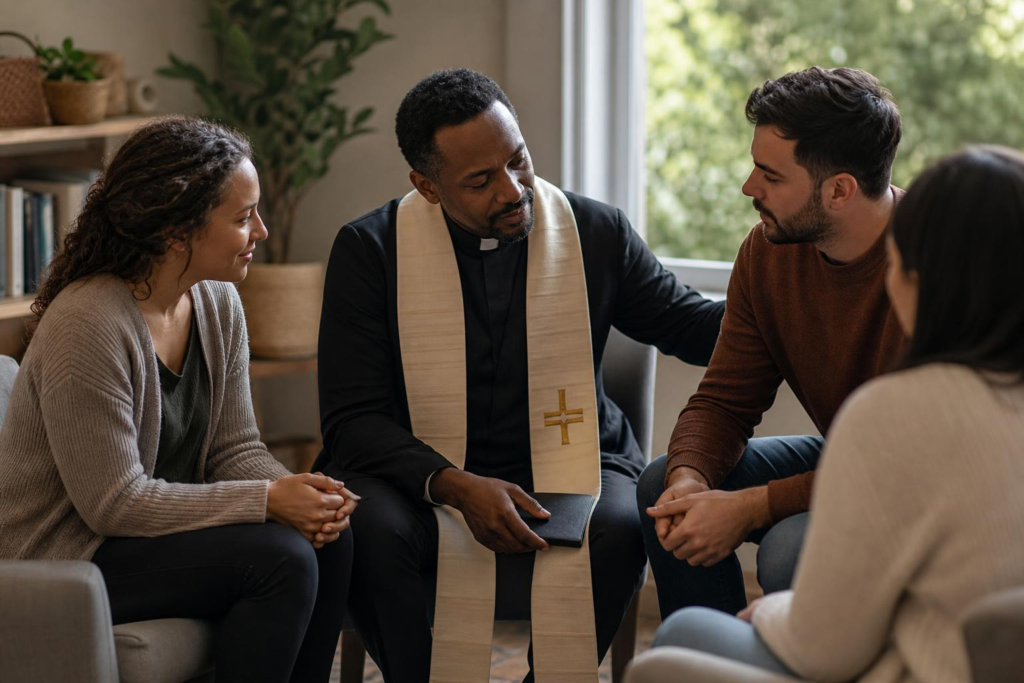
The oath of ordainment helps name the heart of ministry. It says that ordination is not only about being authorized to perform duties; it is also about being entrusted with people’s trust. That trust may show up in a wedding, a hospital visit, a memorial, a sermon, a counseling conversation, or an ordinary hallway conversation that carries real weight.
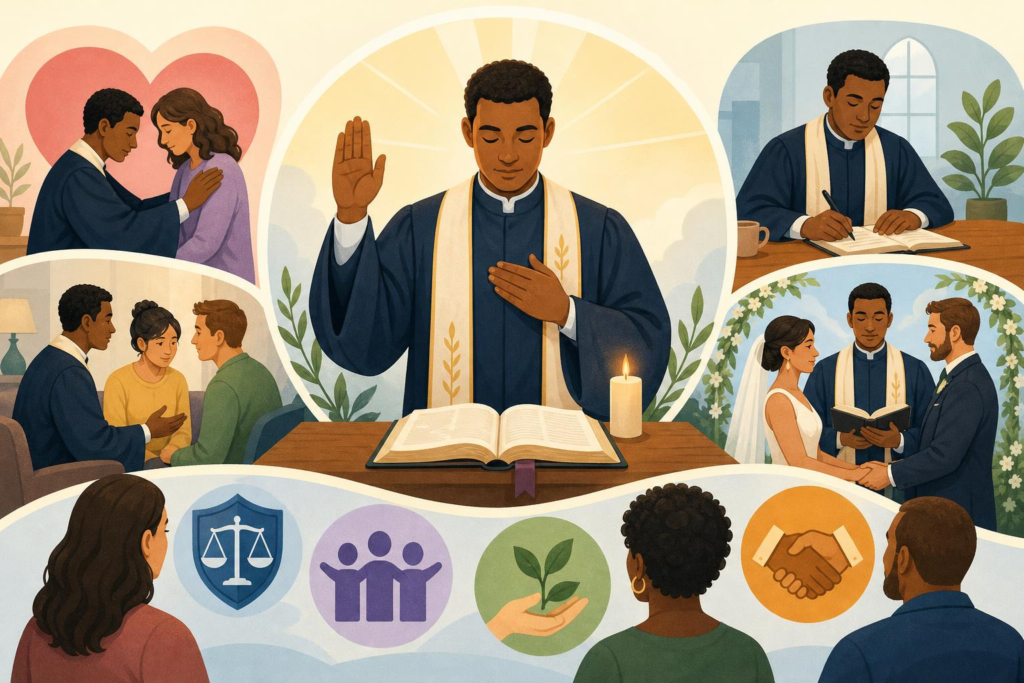
In practice, an ordination oath often asks for three things: integrity in what the minister says and does, compassion in how they treat people, and accountability when they fall short. Interfaith and Christian ministry organizations alike emphasize ethical conduct, careful preparation, and service that honors the dignity of those being served. (chaplaincyinstitute.org)
Oath of ordainment meaning in everyday ministry
If you are new to the phrase, the oath of ordainment meaning is fairly simple: it is a spoken commitment that the minister will try to live in line with the values of their calling. Different traditions phrase this differently, but the common thread is steady character.
That can include:
- keeping confidences when appropriate and handling sensitive information with care;
- showing respect to people across backgrounds and beliefs;
- avoiding misuse of influence;
- continuing to learn, reflect, and grow;
- serving with humility rather than self-importance.
Universities and ministry programs that teach ethics in pastoral leadership often frame good ministry around trustworthiness, fidelity, justice, prudence, self-care, and wise boundaries. That is a helpful reminder that a calling can be sincere and still need structure. (catalog.redlands.edu)
How the ordination promise supports couples and communities
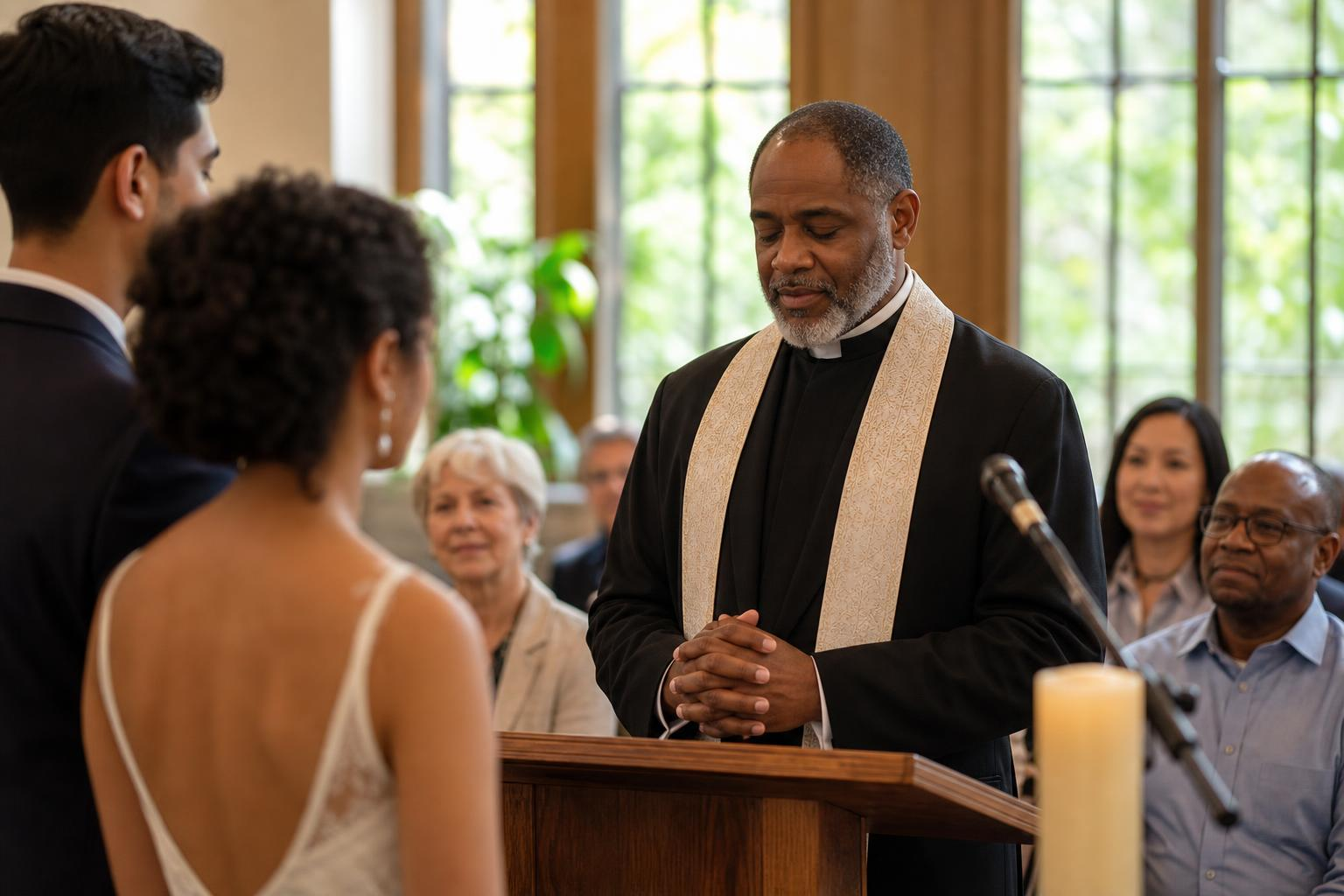
For couples planning a wedding, the ordination promise is more than a formal line in a ceremony program. It can help reassure you that the officiant sees the moment as sacred, not routine. A minister who takes that oath seriously is more likely to prepare thoughtfully, respect your story, and treat your ceremony with care.
For churches and ministry leaders, the oath can also set a tone for healthy service. It reminds the whole community that spiritual leadership should be life-giving, not controlling; accountable, not hidden; and compassionate, not careless. That is especially important when people come to ministry during vulnerable seasons.
For families and guests, the oath can offer a quiet promise: the person standing up front is not merely speaking for themselves. They are accepting responsibility for how they represent their faith, their office, and the people who have entrusted them with a sacred task. (chaplaincyinstitute.org)
Planning question: What kind of presence do you want your officiant or minister to bring into the room?
Example: You may want someone calm, respectful of both families, and able to guide the ceremony without taking over the moment. That choice often reflects your values as much as your schedule.
Short answer: Calm, respectful, and steady.
Oath of ordainment versus legal authority
It is wise to separate spiritual or organizational ordination from legal authority. An oath can express a minister’s values and commitments, but it does not automatically mean the person may legally officiate a wedding everywhere. Marriage laws vary by state and jurisdiction, and those rules can change. For example, Texas explains that a person may solemnize a marriage if qualified under Texas law and that no officiant license or state registration is required there, while Florida law lists who may solemnize marriages under its statutes. (sll.texas.gov)
For readers exploring whether an ordained minister may be suitable for a wedding, a practical next step is to check both the ceremony location rules and the officiant’s own faith-community requirements. If you need a broader overview of civil ceremony basics, the Civil Wedding Ceremony Guide is a helpful starting place. If you are comparing ceremony language and spoken commitments, the Wedding Vows and Speeches Guide can also be useful.
What makes an ordination oath meaningful, not just formal
A meaningful oath usually has specific moral content. It should be more than “I promise to do my best.” Good ordination language often names the kind of conduct the community expects: honesty, compassion, non-discrimination, respect for boundaries, and faithful service. Interfaith and denominational examples show that communities often ask ministers to honor diversity, serve without judgment, and maintain ethical standards in public and professional life. (churchofinterfaithchristians.org)
That matters because ministry touches tender places. People may bring grief, joy, conflict, fear, or hope into the same room. A strong oath helps the minister remember that power must be handled carefully. In a healthy setting, the oath also gives the community permission to expect better than charm or charisma. It invites them to expect character.
| Ordination oath element | What it protects | Why it matters |
|---|---|---|
| Integrity | Trust in the minister’s words and actions | Helps people rely on the minister in serious moments |
| Compassion | The emotional safety of those being served | Encourages gentleness, patience, and respect |
| Accountability | Community confidence and correction when needed | Shows that leadership is answerable to something beyond the self |
| Boundaries | Ministers and the people they serve | Reduces the risk of misuse of influence or confusion about roles |
This table is a decision guide, not a legal standard. Different traditions may emphasize these values differently, and a particular community may add more requirements of its own. (chaplaincyinstitute.org)
How couples, ministers, and volunteers can use this idea well
If you are a couple choosing an officiant, ask whether the person sees ordination as a call to serve, not just a title. If you are a minister, ask whether your habits match the values you publicly promise. If you are a volunteer or donor helping with weddings or ministry support, ask whether your role helps create dignity, access, and care.
Quick planning checklist
- Confirm the officiant’s authority in the ceremony location.
- Ask what values the minister’s ordination oath emphasizes.
- Review ceremony wording for respect and clarity.
- Check whether the ministry has ethical or accountability standards.
- Choose support that fits your budget and values.
Ministries of Love can be a useful next step when you want compassionate, practical wedding and ministry support. If you are ready to ask for help, consider getting support. If you want to serve others through the mission, visit get involved. If you want to help make meaningful celebrations more accessible, you can also explore cash donation. Those links do not replace local legal or pastoral review, but they can connect you with a caring next step.
How Ministries of Love fits this conversation
At its best, an ordination oath points toward service that is humane, faithful, and practical. That overlaps naturally with the heart of Ministries of Love: helping couples, ministers, churches, venues, donors, and volunteers think about celebration as something that should be meaningful and accessible, not performative or financially punishing.
Used carefully, the idea of the oath of ordainment supports that mission by reminding everyone involved that ministry is stewardship. A minister stewards trust. A couple stewards the tone of their ceremony. A donor stewards generosity. A volunteer stewards time and care. Each role matters.
If your planning involves a civil ceremony, keep in mind that civil wedding requirements differ by place. If you need a broader framework for wording, roles, and ceremony flow, the civil wedding guide and vows guide above can help you build from a solid foundation before you make local decisions. (sll.texas.gov)
A steady way to think about the oath
The simplest way to understand the oath of ordainment is this: it is a promise to use spiritual authority with care. That means showing up honestly, serving gently, and remembering that the people in front of you are not a project or a platform. They are neighbors, families, couples, congregants, and human beings with real stories.
When an ordination oath is taken seriously, it gives structure to compassion. It tells the community that ministry should be guided by character, not just confidence. And it gives ministers a clear reminder that calling is lived out one decision at a time.
Frequently Asked Questions
What is the oath of ordainment?
It is a public promise a minister makes about how they will serve. In most traditions, it emphasizes integrity, compassion, accountability, and respect for the people they lead.
Is the oath of ordainment the same as legal officiant approval?
No, it is not the same thing. An ordination oath can express spiritual commitment, but local laws may still control who may legally officiate a wedding.
Why does the ordination promise matter to couples?
It matters because it tells you how the officiant sees their role. A sincere oath usually signals that the minister intends to handle your ceremony with care and respect.
Can an ordained minister officiate anywhere?
Not automatically. Rules vary by state and jurisdiction, so the minister and couple should verify the local requirements before the ceremony.
What should I look for in an ordination oath?
Look for clear values like honesty, compassion, boundaries, and accountability. Those are good signs that the person understands ministry as a responsibility, not just a title.
Leave a Reply