No gift is too small when it is offered with sincerity, wisdom, and care. A kind word, an hour of help, a gently used item, or a shared skill can meet a real need and remind someone they are not alone. In faith communities, everyday generosity is not only about money; it is also about presence, practical service, encouragement, and stewardship. This guide explains how small offerings work together to bless a community, and how Ministries of Love can be a thoughtful next step for people who want to give, serve, or invite others into compassionate support. For readers who want a broader overview of church and community support, you can also explore ways to get involved and cash donation options.
What “no gift is too small” really means
No gift is too small is a practical way of saying that generosity is measured by faithfulness, not by price tag. A small act can still carry dignity, relief, and encouragement. Research and university guidance on kindness and volunteering consistently point to benefits for both the giver and the community, including stronger connection, better well-being, and a greater sense of belonging. (apa.org)

That matters for faith-rooted ministry because many communities need a mix of gifts. One person may donate money, another may bring time, another may share a practical skill, and another may simply show up with steady encouragement. Put together, those small contributions can become a meaningful support system. Harvard’s Human Flourishing Program notes that volunteering can function as repeated acts of kindness directed toward the life of a community, while university research has linked everyday kindness with greater well-being. (hfh.fas.harvard.edu)
Why small gifts matter in real life
Small gifts matter because real needs are usually small, specific, and immediate. A family may need one meal, not a banquet. A volunteer team may need one dependable helper, not a crowd. A couple planning a meaningful celebration may need borrowed décor, a listening ear, or help setting chairs more than anything flashy. The point is not size; the point is usefulness.
Generosity also multiplies. When people see kindness modeled, they are often more likely to act kindly themselves. Research summarized by Harvard suggests kindness can spread through communities, and the University of California system has highlighted how even small acts of kindness strengthen connection. (hfh.fas.harvard.edu)
| Type of gift | What it can do | Best when… |
|---|---|---|
| Time | Helps with setup, cleanup, errands, or companionship | The need is hands-on or immediate |
| Items | Fills practical gaps like supplies, clothing, or décor | A ministry or family lacks an object, not a person |
| Skills | Offers childcare, design, driving, writing, repair, or admin help | Someone needs expertise more than cash |
| Encouragement | Builds morale, dignity, and hope | A person feels overlooked or weary |
How to give time, items, skills, and encouragement well
Start with the need, not the gift. Good generosity listens first. That may mean asking, “What would help most this week?” instead of assuming the answer. It may also mean noticing that a family does not need a big gesture; they need a ride, a meal, a printer, or a patient helper.
1) Give time with clear boundaries
Time gifts work best when they are specific. Offer one afternoon instead of a vague promise. For example, “I can help for two hours on Saturday” is easier to receive and coordinate than “Let me know if you need anything.”

2) Give items that are useful and usable
Item donations should be clean, complete, and appropriate to the ministry’s needs. One sturdy folding chair, one new pack of supplies, or one well-kept garment may do more good than a box of random extras. If you are donating to a wedding or church support effort, ask what is actually needed before dropping something off.
3) Give skills that save time and stress
Some of the most helpful gifts are not visible. A person who can proofread, sew, drive, organize, translate, cook, or troubleshoot technology may bless a community more than they realize. Skill-sharing is often one of the most overlooked forms of generosity.
4) Give encouragement that restores courage
Encouragement is not fluff. A sincere thank-you, a prayerful note, a check-in call, or a text that says, “I’m thinking of you” can steady someone who is carrying a lot. As simple as that sounds, it often lands like a hand on the shoulder.
Quick giving checklist
- Ask what is needed most.
- Offer something specific.
- Confirm timing and delivery.
- Keep the gift easy to receive.
- Follow up kindly, without pressure.
A simple way to match the right gift to the right need
What are you trying to help with right now? Example: We are helping a small church prepare for a community event, and the team is short on hands, supplies, and setup time. We may not need a large donation, but we do need dependable help and a few key items. Short answer: Match the gift to the gap.
That basic approach keeps generosity practical. If the gap is logistics, give time. If the gap is supplies, give items. If the gap is stress, give encouragement. If the gap is expertise, give skills. When the gift matches the need, even a modest offering can feel perfectly timed.
What faith communities can do with many small gifts
Faith communities often thrive when many people contribute modestly rather than waiting for one large donor or one highly available volunteer. A shared ministry becomes more resilient when donations, service, and encouragement are spread across a wide circle of people. That approach also lowers pressure on families who want to help but cannot do much at once.
This is one place where Ministries of Love can be a useful bridge. If a couple, church, volunteer, or donor wants to support accessible celebrations and caring community ministry, the organization’s get involved page may be a good first step for exploring service-minded participation, while cash donation options may suit those who prefer direct financial support. Any specific program details, eligibility, or availability should be reviewed carefully before publication or participation. (hfh.fas.harvard.edu)
How to give without creating extra burden
Generosity should bring relief, not friction. A well-meant donation can become a burden if it is difficult to store, sort, transport, or distribute. That is why “small” often becomes “helpful” when it is simple. If you are giving as a donor, volunteer, church member, or friend, consider these habits:
- Make it easy to receive. Label items, arrive on time, and communicate clearly.
- Be honest about your limits. Give what you can sustain, not what sounds impressive.
- Respect privacy. Not every need needs public attention.
- Follow the ministry’s process. Good systems protect both helpers and recipients.
Those habits matter because they protect the dignity of the people receiving help. They also protect volunteers from burnout, which helps generosity continue over time rather than burning bright and fading fast.
When a small gift is part of a larger ministry effort
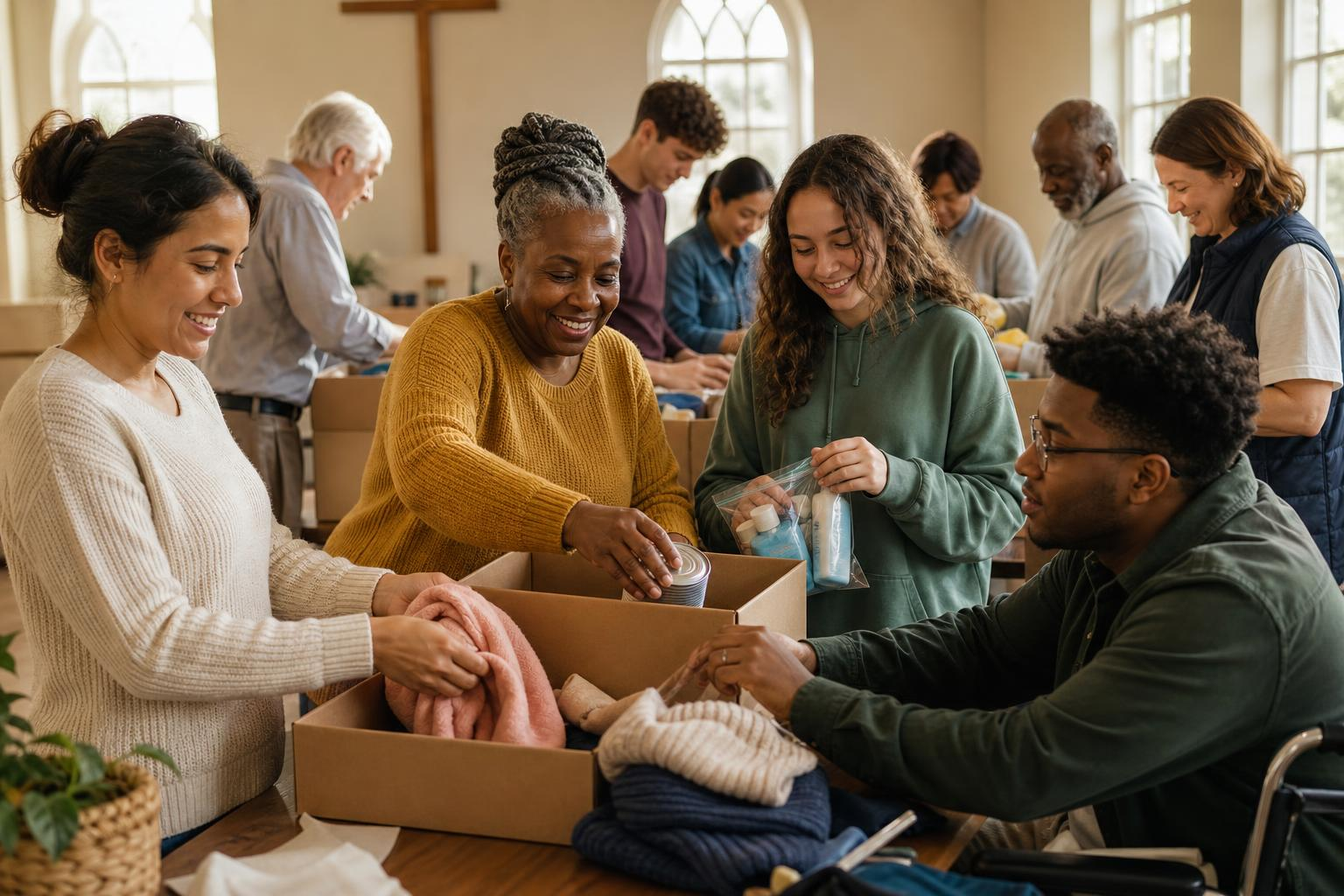
Sometimes the most loving thing a community can do is combine many small gifts into one coordinated effort. A few people bring supplies, a few give time, a few offer rides, and a few send encouragement. Together, those gifts can support wedding preparation, church outreach, household needs, or neighbor care in a steady and humble way.
That is the heart of everyday generosity. It does not demand that everyone give in the same way. It simply invites everyone to give something that is true to their capacity. In a healthy community, that is enough to begin.
Conclusion: no gift is too small when love is sincere
No gift is too small when it is given thoughtfully. A little time, a useful item, a practical skill, or a sincere word of encouragement can meet a real need and strengthen a whole community. If you are ready to take one simple next step, consider where your gift fits best—time, items, skills, or encouragement—and then offer it clearly and kindly. If you want a practical way to keep going, visit get involved or cash donation to explore supportive next steps with Ministries of Love. (hfh.fas.harvard.edu)
Frequently Asked Questions
What does “no gift is too small” mean in a church or community setting?
It means even a small act of generosity can help. A short visit, a helpful item, a useful skill, or a kind word may meet a real need and encourage someone who is carrying a lot.
Is time as valuable as money when giving to a ministry?
Yes, time can be just as valuable. Many ministries need volunteers, setup help, rides, listening ears, and dependable hands more than they need a large check.
What kind of small gifts are most useful?
The most useful gifts match an actual need. Practical items, specific volunteer hours, specialized skills, and sincere encouragement are often the easiest gifts for a ministry to use well.
How do I know what to donate if I only have a little to give?
Start by asking what is needed most. If the answer is not clear, offer one specific thing you can truly provide and let the ministry decide whether it fits.
Can encouragement really count as generosity?
Yes, encouragement absolutely counts. A thoughtful message, prayer, thank-you, or check-in can strengthen someone’s spirit and help them keep going.
Leave a Reply