Muslim Charity Traditions: Zakat, Sadaqah, and Compassionate Giving
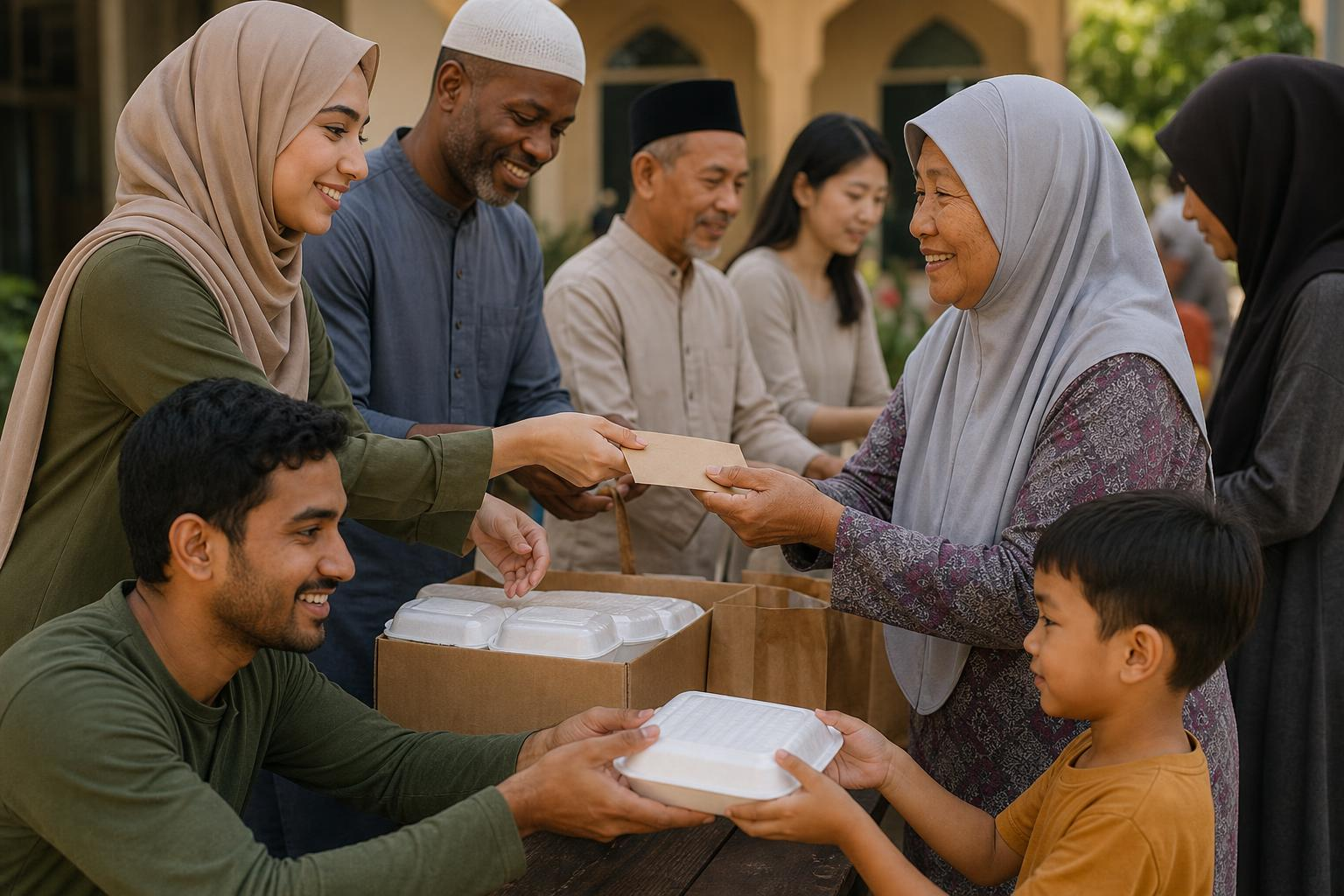
In Muslim charity traditions, zakat and sadaqah both express mercy, responsibility, and care for people in need, but they are not the same. Zakat is a required act of giving for eligible Muslims, while sadaqah is voluntary charity that can include money, time, kindness, and everyday helpful acts. Together, they reflect a faith life that values purification, generosity, and community support. If you are learning these terms for the first time, this guide will give you a plain-English overview and help you think about giving with sincerity and care.
What these terms mean in Muslim charity traditions
Zakat is one of the well-known pillars of Islam and is generally understood as obligatory almsgiving for Muslims whose wealth meets the nisab threshold. It is usually described as a fixed share of accumulated wealth, often explained as 2.5% in common Sunni practice, though local scholarly guidance may address details differently. Sadaqah is voluntary charity given freely for the sake of God and can include acts beyond money, such as a helping hand, a kind word, or practical support for someone struggling. (islamic-relief.org.uk)
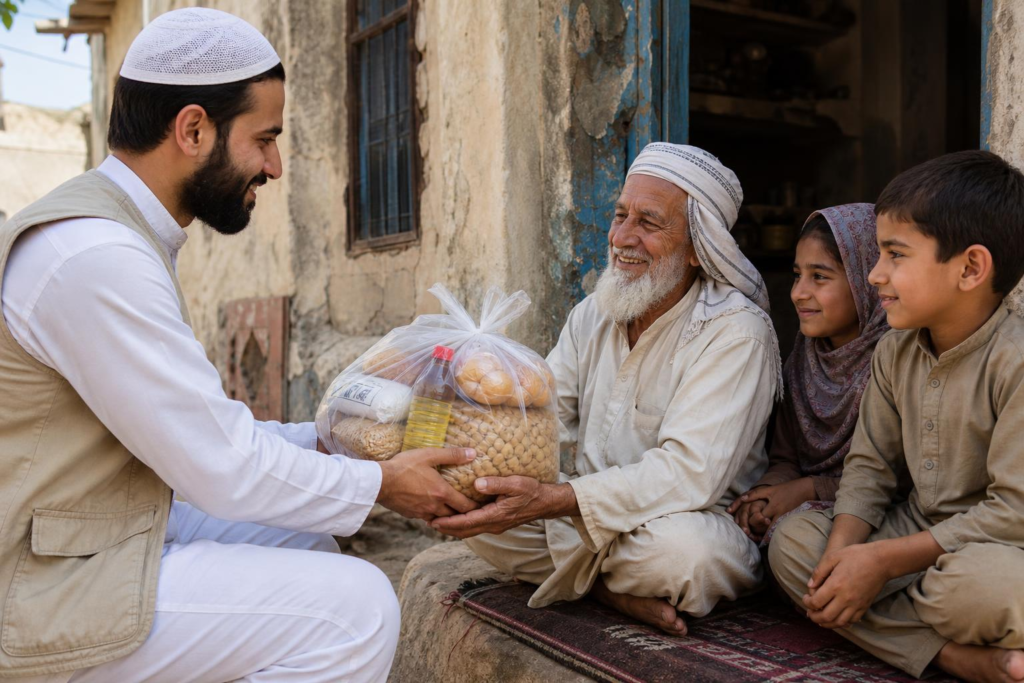
That difference matters. Zakat carries obligation and specific rules; sadaqah is broader, flexible, and available at any time. Both can be spiritually meaningful, but they serve slightly different purposes in a Muslim’s life of worship and service. (islamic-relief.org.uk)
Muslim charity traditions and the spiritual purpose of giving
In Islamic teaching, giving is not only about meeting material need. It is also about purification, gratitude, and social responsibility. The Pluralism Project describes zakat as “purification,” and Islamic Relief likewise explains that zakat and sadaqah are ways of supporting vulnerable people while remaining rooted in worship and intention. (pluralism.org)
That spiritual purpose can be easy to overlook when charity is discussed only in practical terms. In Muslim charity traditions, the heart of giving is not simply “donating something.” It is giving with awareness that wealth is an amanah, or trust, and that care for neighbors, travelers, people in hardship, and people facing crisis is part of faithful living. (islamic-relief.org.uk)
How zakat and sadaqah differ at a glance
| Category | Zakat | Sadaqah |
|---|---|---|
| Basic meaning | Obligatory almsgiving | Voluntary charity |
| When given | When due, based on eligibility and wealth | Any time |
| Form | Usually financial and rule-bound | Money, time, kindness, or help |
| Spiritual emphasis | Obedience, purification, duty | Generosity, compassion, ongoing goodness |
This table is a simplified guide, not a full legal ruling. Details can vary by scholar, school of thought, and local circumstance. (islamic-relief.org.uk)
Who gives, who receives, and why local guidance matters
For Muslims considering zakat: the key question is usually whether your wealth meets the nisab threshold and whether the payment is being made in a way that aligns with Islamic guidance. Islamic Relief’s materials explain that zakat is obligatory for eligible Muslims and identify recognized recipient categories, while also noting restrictions on who may receive it. (islamic-relief.org.uk)
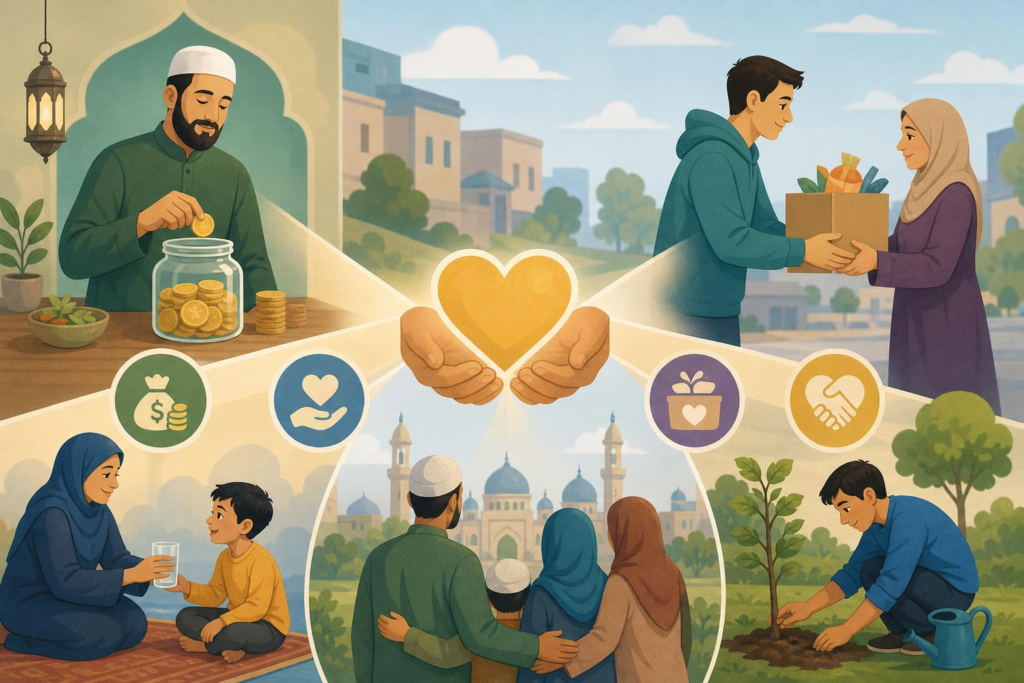
For sadaqah: the path is broader. Islamic Relief describes sadaqah as voluntary charity that can support many kinds of beneficial projects and helpful acts, not only direct cash gifts. (islamic-relief.org.uk)
Why local guidance matters: Muslim communities are diverse, and scholarship can differ on practical questions like recipient eligibility, family giving, and how to apply rules in modern settings. If you are unsure, ask a trusted local imam, scholar, or qualified charity adviser before you designate a gift as zakat. (pluralism.org)
How to give with sincerity and care
If your goal is to give well, start with intention and clarity. Ask yourself what kind of help you are trying to offer: a required religious duty, a voluntary act of mercy, or both. Then match the gift to the need. A family in immediate hardship may need food or rent support. A community project may need steady sadaqah. A zakat payment may need to be routed through a trusted recipient or organization that understands the rules. (islamic-relief.org.uk)
Quick giving checklist
- Decide whether this is zakat, sadaqah, or both.
- Check whether your charity needs a qualified recipient.
- Confirm any local religious guidance before labeling a gift as zakat.
- Choose a trustworthy route for delivering the support.
- Give with a clear intention and a generous heart.
Short question: Are you trying to meet a religious obligation, or are you looking for the most flexible way to help right now? Example: A donor may choose zakat for an annual obligation and sadaqah for a separate emergency appeal during the same month. Short answer: Clarity first, then action.
How Muslim charity traditions support communities in real life
One reason Muslim charity traditions remain so powerful is that they connect faith to daily human needs. Zakat and sadaqah help communities care for people facing hunger, debt, displacement, illness, and loneliness. They also make room for small, steady acts of compassion that strengthen trust and belonging. (islamic-relief.org.uk)
That is one reason faith-rooted community ministries and interfaith partners often speak respectfully about charity across traditions. Even when a ministry is not Muslim-led, it can still support Muslim neighbors by learning the difference between zakat and sadaqah, avoiding assumptions, and making space for culturally and religiously appropriate giving. If Ministries of Love is serving a diverse community, that means listening carefully and helping people connect to the right next step rather than flattening every tradition into one generic idea.
For readers who want a broader faith-and-community overview, the Pluralism Project’s Islam resources offer a helpful starting point, and Islamic Relief’s giving pages provide a Muslim-led explanation of these practices. (pluralism.org)
Common mistakes to avoid when talking about zakat and sadaqah
First mistake: treating zakat and sadaqah as interchangeable. They overlap in spirit, but they are not identical. Zakat is obligatory; sadaqah is voluntary. (islamic-relief.org.uk)
Second mistake: assuming every Muslim community applies every detail the same way. Islam is internally diverse, and responsible guidance should leave room for scholarly difference. (pluralism.org)
Third mistake: making giving feel like a performance. Muslim charity traditions are not about public display or pressure. They are about sincere care, trust in God, and practical help for people who need it. (islamic-relief.org.uk)
Fourth mistake: forgetting the human side of giving. Sometimes the most faithful response is not a large donation but a quiet, steady act of mercy that is sustainable over time. Islamic Relief’s sadaqah guidance emphasizes that even small acts can matter. (islamic-relief.org.uk)
Where Ministries of Love can fit in respectfully
Ministries of Love can serve as a compassionate bridge by helping people understand faith-based generosity without trying to replace Muslim scholarship or community leadership. For a reader who needs practical support, a ministry can point them toward trusted information, careful planning, and appropriate next steps. If you are looking for a place to ask for help or connect with support, visit Get Support. If you want to serve alongside others, Get Involved may be a helpful next step. If financial gifts are part of the ministry’s mission, Cash Donation can be shared as a possible option where appropriate.
For readers also navigating wedding or family-care conversations, Ministries of Love’s broader guides may help with ceremony planning and speaking with grace. You can connect related readers to the civil wedding ceremony guide or the wedding vows and speeches guide when those topics fit the situation.
Questions people actually ask about Muslim charity traditions
Can sadaqah be non-monetary? Yes. Sadaqah can include money, practical help, kindness, and other beneficial acts, not only cash. (islamic-relief.org.uk)
Is zakat always the same amount everywhere? Not necessarily. The broad concept is shared, but application can vary by school of thought and local guidance, so it is wise to verify details carefully. (pluralism.org)
Can one gift count as both? Sometimes a donor may give one amount with multiple intentions, but that is a question for qualified religious guidance rather than a blanket rule. (islamic-relief.org.uk)
Conclusion: give with clarity, mercy, and good counsel
Muslim charity traditions are beautiful because they are both practical and spiritual. Zakat reminds believers that giving is a duty and a trust. Sadaqah reminds everyone that generosity can be wide, gentle, and daily. If you remember the difference, verify local guidance when needed, and give with sincere intention, you will already be on solid ground. For the next step, choose one trustworthy source, one clear intention, and one act of mercy you can carry out well today. (islamic-relief.org.uk)
Frequently Asked Questions
What is the difference between zakat and sadaqah?
Zakat is obligatory charity for eligible Muslims, while sadaqah is voluntary charity that can take many forms. Zakat is more rule-bound; sadaqah is broader and can include kindness, time, and practical help.
Can sadaqah be something other than money?
Yes. Sadaqah can be non-monetary, such as offering help, sharing time, or doing a kind act for someone in need.
Does every Muslim give zakat the same way?
No. The basic idea is shared, but details can vary by scholarly tradition and local guidance, so people should verify the practical rules they are following.
How do I know if a gift counts as zakat?
You should check whether the recipient and method fit zakat guidance before labeling it that way. If you are unsure, ask a qualified local scholar or trusted Muslim-led organization.
Why do Muslims give charity as part of faith?
Muslims give charity as an act of worship, purification, gratitude, and care for the community. It is both spiritually meaningful and practically helpful.
Leave a Reply