
Published: July 16, 2026
Love in Action: Turning Compassion into Meaningful Service
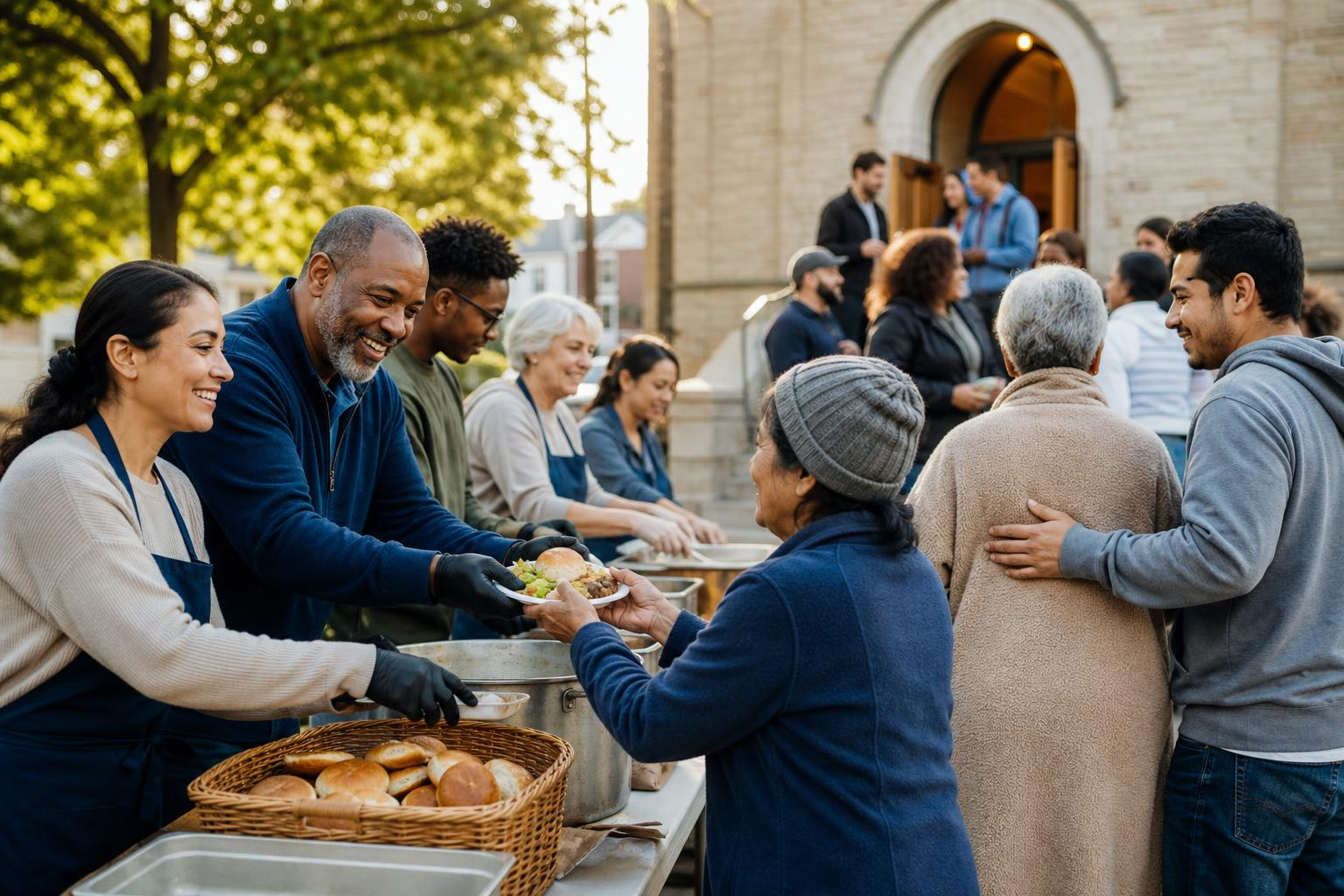
Love is not only something we feel or say; it is something we practice. In a love in action ministry, small acts of care can become meaningful expressions of faith, dignity, and belonging. A warm meal, a steady word of encouragement, a ride to an appointment, or help setting up a space can all become ways of serving people with compassion and respect.
What love in action looks like
Faith communities often describe service as a lived expression of love. In practical terms, that may mean showing up in ways that are simple, consistent, and attentive to real needs. Public health guidance also recognizes that community connection and volunteering can support belonging and well-being, which makes acts of service meaningful both spiritually and socially. (cdc.gov)
Love in action does not need to be dramatic to matter. In many communities, the most meaningful support is the kind that notices what is needed, respects dignity, and avoids assumptions about what people should be able to do on their own.
Small acts that can make a real difference
- Offer encouragement: A thoughtful message, a prayer, or a sincere check-in can help someone feel seen.
- Share practical help: Meals, transportation, child care support, setup and cleanup help, or assistance with simple tasks can ease stress.
- Make space for belonging: Invite people in, listen without rushing, and leave room for different experiences, abilities, and family structures.
- Support volunteers well: Clear roles, realistic expectations, and gratitude help service feel sustainable and welcoming.
- Connect people to community: Social connection is strengthened when people can participate, contribute, and feel included. (cdc.gov)
How ministries can practice compassionate service
A ministry of care is often strongest when it is both compassionate and practical. That means pairing goodwill with a simple plan: identify a need, choose a manageable action, and follow through with consistency.
For example, a church might organize a meal train, a volunteer welcome team, a neighborhood clean-up, or a seasonal encouragement effort. Universities and public health sources also note that volunteering and civic participation are linked with social connection and, in many studies, improved well-being for volunteers. (pmc.ncbi.nlm.nih.gov)
At Ministries of Love, that spirit can also shape wedding support and community outreach. Serving couples, volunteers, churches, and donors with care reflects the same principle: love becomes visible when kindness is put into action.
Planning a service effort with care
When you are planning a service project, what would make it feel genuinely helpful to the people you hope to serve? Example: You might choose one small, concrete need such as meal support, welcome hospitality, or setup help so that the effort stays realistic and respectful. Short answer: Start small and specific.
Helpful next steps include:
- Choose one need your group can meet well.
- Assign simple roles so volunteers know what to do.
- Communicate clearly about timing, expectations, and follow-up.
- Thank people for both giving and receiving support.
- Review what worked so future service can be even more thoughtful.
Practical ways to keep service inclusive
Meaningful service is strongest when it respects each person’s dignity. That can include using welcoming language, making participation accessible when possible, avoiding stereotypes, and remembering that people have different needs, traditions, and capacities for involvement.
It is also helpful to treat service as mutual. Many people who receive support also give support in other ways, and community care often grows when everyone’s gifts are valued.
Next steps for your ministry
If you are building or refreshing a service culture, begin with one clear action. Invite a few reliable helpers, choose a specific need, and make the process easy to join. Ministries of Love can use that same approach to strengthen outreach, encourage volunteers, and support couples and churches with practical compassion.
For a simple place to start, review your ministry’s outreach pathways and volunteer opportunities here: Get Involved and Community Outreach Plan.
Conclusion
Love in action is often quiet, steady, and deeply meaningful. Whether it shows up as encouragement, practical help, or consistent community care, it can strengthen belonging and reflect faith in everyday life. When service is humble, inclusive, and intentional, even small acts can become a powerful witness of compassion.
Frequently Asked Questions
What does love in action ministry mean?
It means putting compassion into practice through small, consistent acts of care, encouragement, and service that help others feel seen and supported.
Do service efforts have to be large to matter?
No. Simple actions like checking in, preparing a meal, or helping with setup can be meaningful and deeply appreciated.
How can we keep volunteer service inclusive?
Use welcoming language, give clear roles, avoid assumptions, and make room for different abilities, backgrounds, and family structures.
What is a good first step for a new outreach effort?
Start with one realistic need, one small team, and one clear plan so the effort is sustainable and respectful.
Leave a Reply