Jewish Teachings on Lovingkindness and Repairing the World
Jewish lovingkindness is often expressed through chesed and tikkun olam, two ideas that invite people to care for one another and help mend what is broken in the world. These teachings can inspire couples, congregations, ministers, volunteers, and donors to practice compassion in everyday life, not just in large public moments.
What do chesed and tikkun olam mean?
Chesed is commonly understood as lovingkindness, mercy, or active care for others. In Jewish learning, it is often connected with concrete acts that support people in need, strengthen relationships, and honor human dignity. Tikkun olam literally means “repairing the world,” and modern Jewish usage often connects it with social action and justice, while older rabbinic and mystical sources use the phrase in different ways. Jewish communities do not all interpret these terms the same way, and that diversity matters. (myjewishlearning.com)
For some Jews, tikkun olam is centered on communal responsibility and public policy; for others, it also carries mystical meaning tied to the repair of creation. Many Jewish educators emphasize that these ideas are not just abstract beliefs. They are meant to shape behavior, relationships, and community life. (myjewishlearning.com)
How Jewish lovingkindness shows up in daily life
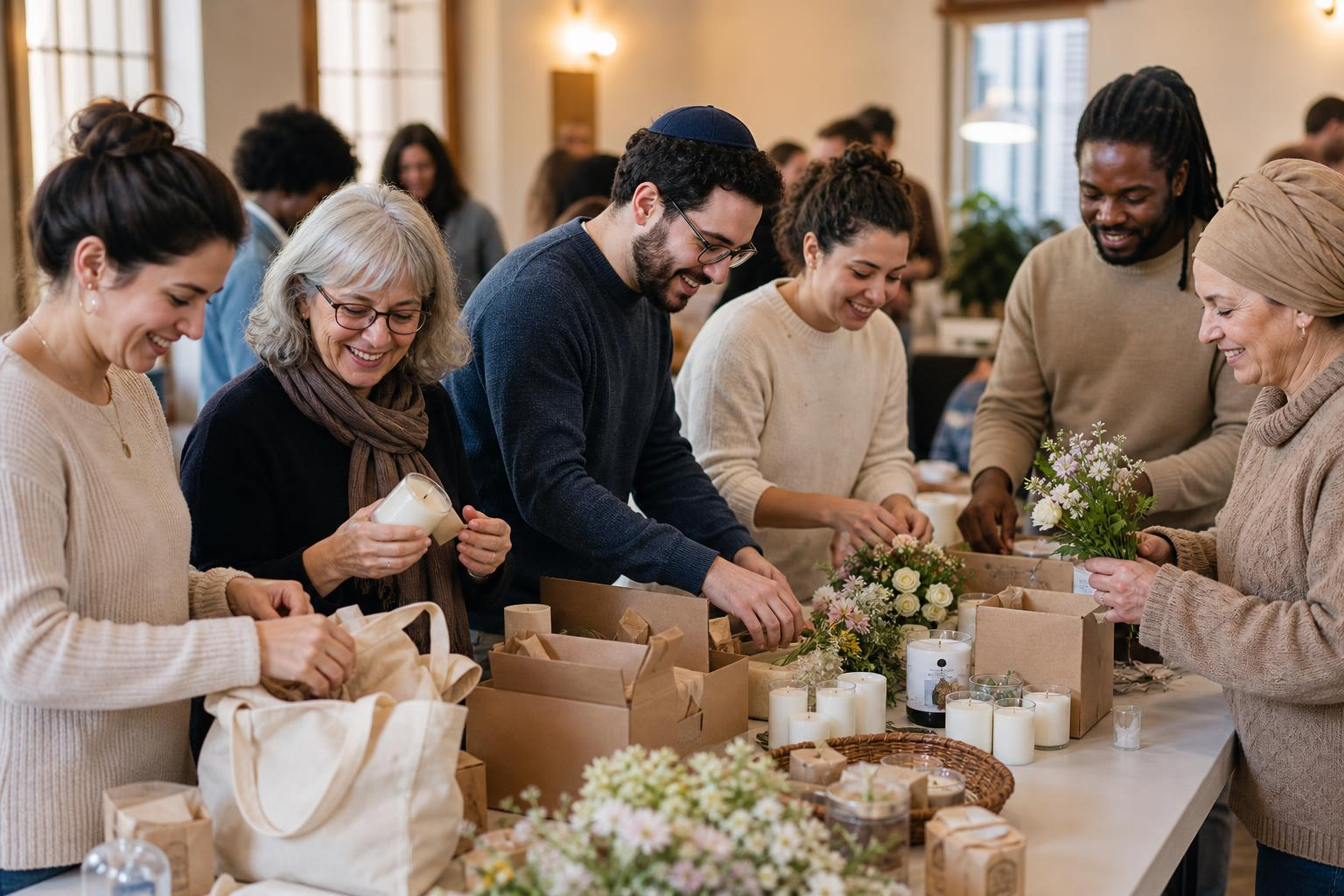
Jewish lovingkindness is often practiced in small, steady ways: visiting the sick, feeding the hungry, welcoming guests, offering comfort, and showing respect to people whose needs are overlooked. These acts can be deeply spiritual because they translate values into action. My Jewish Learning describes gemilut hasadim as acts of lovingkindness and notes that Jewish communities have long organized voluntary efforts to carry them out. (myjewishlearning.com)
That means lovingkindness is not only about a feeling. It is about doing something helpful, especially when it is practical, timely, and sincere. In a faith-rooted community, that may look like bringing a meal, offering rides, helping a couple plan a modest wedding, or supporting a family after a loss. This is an application of Jewish lovingkindness rather than a claim about any one community’s uniform practice. (myjewishlearning.com)
Why tikkun olam matters across Jewish communities
Tikkun olam is widely used in contemporary Jewish life, especially in liberal Jewish circles, but it is not limited to one denomination or one political viewpoint. Some communities emphasize social justice, others emphasize ethical obligation, and still others connect repair of the world to prayer, mitzvot, and spiritual discipline. Jewish tradition is internally diverse, so it is best to treat the phrase as a family of related meanings rather than a single fixed slogan. (myjewishlearning.com)
The key takeaway is simple: repairing the world can begin with repairing how we treat one another. In that sense, tikkun olam and chesed work together. One points to the broader need for healing; the other points to the personal and communal acts that make healing visible. (myjewishlearning.com)
What might lovingkindness look like in a wedding or ministry setting?
In wedding ministry and congregational care, Jewish lovingkindness can shape how people are welcomed, how needs are handled, and how dignity is protected. A compassionate approach may include budget-sensitive planning, accessible communication, and flexible support for couples, families, and volunteers. It can also mean honoring different levels of observance and different understandings of Jewish practice without pressure or judgment. (myjewishlearning.com)
How can your community practice lovingkindness in ways that feel realistic and sustainable? Example: We may pair a couple with a volunteer who can help them plan a meaningful ceremony within their means, while also making space for their family’s traditions and comfort level. Short answer: Practical care with dignity.
Practical next steps for couples, churches, and volunteers
- Choose one small act of kindness you can offer this week.
- Ask what support would actually help, instead of assuming.
- Make your space or event easier to enter, understand, and navigate.
- Include people of different abilities, ages, incomes, identities, and family structures with care.
- When planning a Jewish-related ceremony or ministry event, use the OrdainedPro maps page as a starting point for general guidance: OrdainedPro Maps.
These steps are not a substitute for legal, financial, or religious authority review. They are simply a humane starting point for planning with respect and care. (myjewishlearning.com)
Conclusion
Jewish lovingkindness is not about perfection, prestige, or spending more. It is about showing up for people with compassion, responsibility, and humility. Through chesed and tikkun olam, Jewish teaching invites communities to care for one another and to help repair what is broken, one faithful act at a time. (myjewishlearning.com)
Frequently Asked Questions
What is Jewish lovingkindness?
Jewish lovingkindness usually refers to chesed, the practice of showing active care, mercy, and generosity toward others through concrete actions.
Is tikkun olam the same in every Jewish community?
No. Different Jewish communities interpret tikkun olam in different ways. Some emphasize social justice, some focus on communal responsibility, and some connect it to mystical ideas about repairing creation.
How can a couple practice Jewish lovingkindness during wedding planning?
They can practice it by planning with care, including family and community respectfully, and choosing meaningful support that fits their budget and values.
Does a meaningful wedding need to be expensive?
No. A meaningful wedding can be simple, thoughtful, and community-centered. Jewish lovingkindness is about dignity and care, not cost.
Leave a Reply