Inclusive Spiritual Reflection: Making Space for Everyone
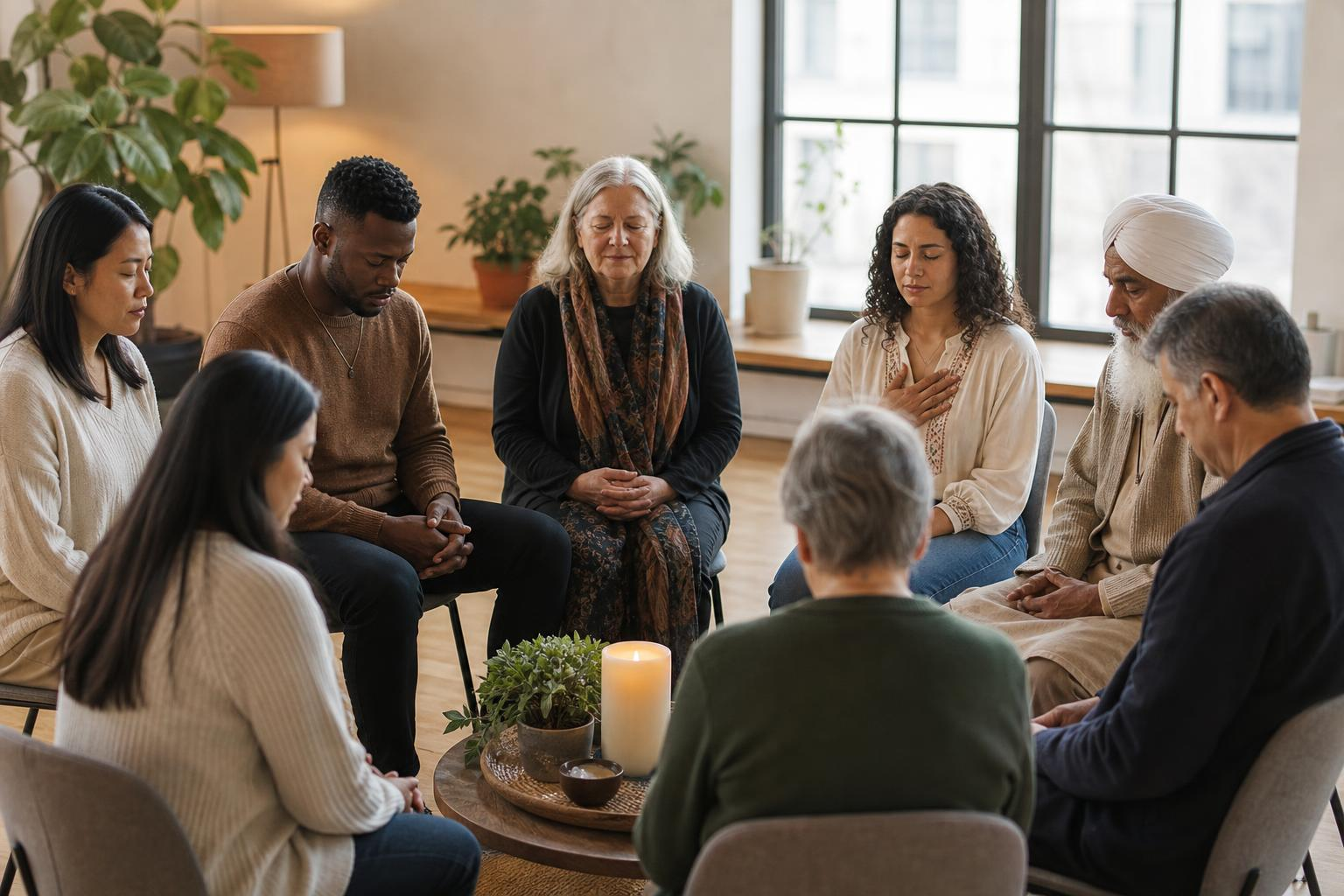
Inclusive spiritual reflection means creating a moment in a gathering where people with different beliefs, and people with no religious belief at all, can still participate with dignity. The simplest way to do that is to offer parallel options: prayer for those who want it, meditation or silence for those who prefer it, and a respectful reflection prompt for everyone else. That approach helps couples, ministers, volunteers, and communities stay welcoming without flattening anyone’s convictions.
In practice, this is less about perfect wording and more about thoughtful design. When done well, a shared moment can feel gentle, honest, and open-hearted instead of forced. It can also reduce the awkwardness people sometimes feel when they are unsure whether they are expected to pray, stay silent, or simply wait it out.
What inclusive spiritual reflection looks like
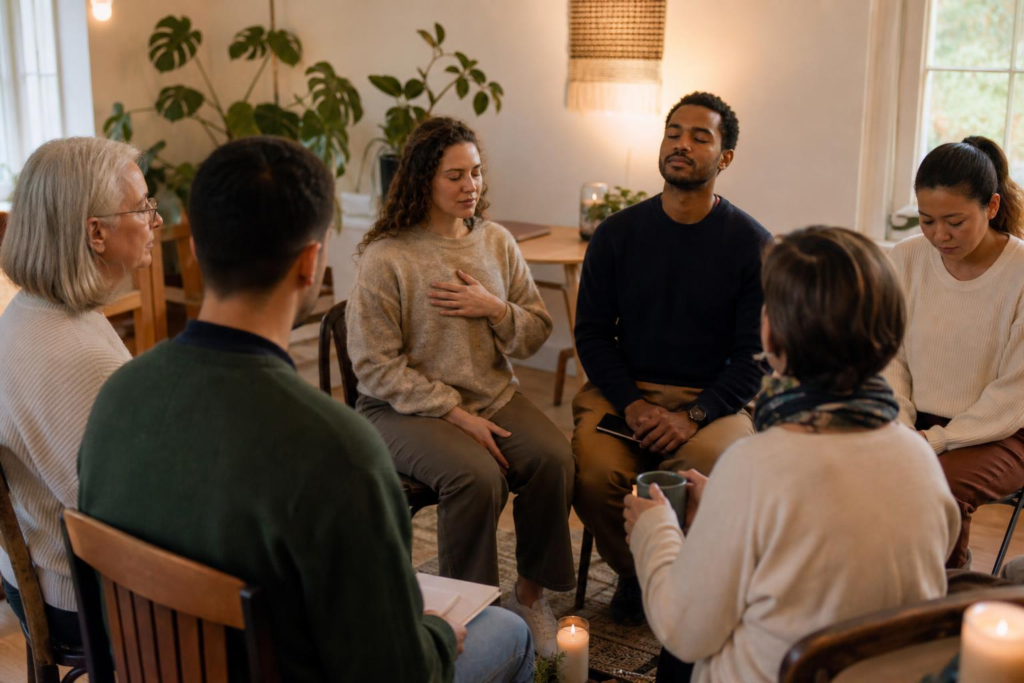
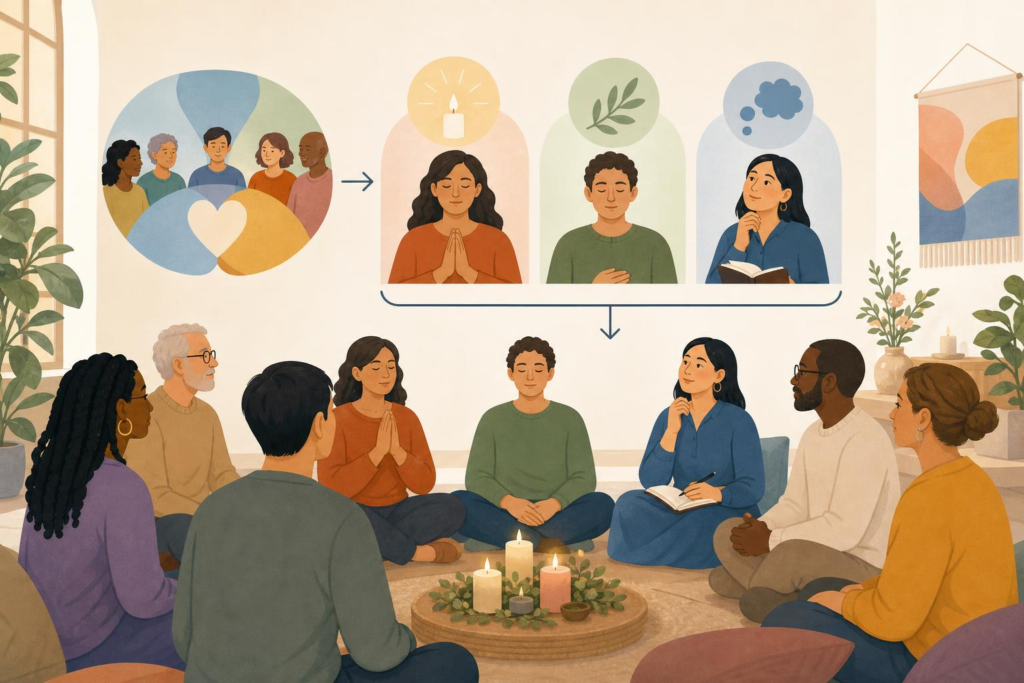
Inclusive spiritual reflection is a gathering practice that gives people more than one way to engage. A Christian guest may prefer prayer. A Buddhist guest may appreciate silence or mindful breathing. A secular guest may connect through gratitude, memory, or a quiet pause. The goal is not to make everyone participate the same way; it is to create room for meaningful participation without pressure.
That distinction matters. Communities that include people from different faiths, mixed-belief families, or people who are simply not religious often do better when the moment is framed as an invitation rather than an obligation. Research and resources from interfaith organizations emphasize respect, shared civic life, and the careful handling of difference rather than assuming one style fits all. citeturn0search0turn0search1
Ways to offer parallel participation without putting anyone on the spot
The most helpful inclusive design gives people a real choice without making them announce it. That can be as simple as saying, “You are welcome to pray, reflect, sit in silence, or follow along in whatever way is comfortable for you.”
Useful participation options
- Prayer: For guests who share the faith tradition or are comfortable joining in.
- Silence: For people who prefer inward reflection, remembrance, or quiet respect.
- Meditation or breath: For those who want a grounding practice without religious language.
- Reflection prompt: For mixed groups that would rather focus on values, hopes, or gratitude.
- Listening only: For people who want to be present without active participation.
Quick planning checklist
- Decide the purpose of the moment.
- Choose language that invites, not pressures.
- Offer at least two participation options.
- Keep instructions brief and clear.
- Review wording for faith respect and clarity.
Prayer, meditation, reflection, or silence: how each one serves the group
A thoughtful gathering can include more than one spiritual tone. The right choice depends on the people present and the setting. Here is a simple decision guide.
| Option | Best used when | Why it helps |
|---|---|---|
| Prayer | The group shares a faith frame or wants a clearly religious moment | Supports worship and spiritual blessing for willing participants |
| Meditation | You want calm focus without relying on one religious tradition | Creates a centered pause that many people can join comfortably |
| Reflection | You want to include mixed-belief guests in a shared meaning-making moment | Uses values, gratitude, or memory as common ground |
| Silence | People may need space to process or simply rest | Respects different inner practices without requiring speech |
This is where inclusive spiritual reflection is especially useful: it lets planners choose the tone that fits the room instead of assuming the room already agrees. Interfaith resources from the Pluralism Project and the United Religions Initiative support respectful engagement across traditions and emphasize learning, listening, and coexistence. citeturn0search0turn0search1
How to write language that feels welcoming, not vague
Wording makes a bigger difference than many planners expect. If the language is too specific, some guests may feel excluded. If it is too generic, the moment can feel hollow. Aim for clear, warm, and specific enough to guide people.
Try phrases like these
- “Please join in prayer, meditation, or quiet reflection as you are able.”
- “We invite each person to participate in the way that feels most meaningful.”
- “You may pray silently, rest in silence, or hold these intentions in your own tradition.”
- “Let us take a brief moment of gratitude and quiet together.”
If you are planning a wedding-related event, this kind of wording can also support mixed-faith couples and families. For a broader planning framework, see the civil wedding ceremony guide and the wedding vows and speeches guide.
How to lead the moment with calm confidence
A good leader does not need to be theatrical. The job is to make the moment feel safe, clear, and sincere. Whether you are a minister, officiant, host, volunteer, or family member, your tone should signal welcome from the first sentence.
A simple 4-step approach
- Open with purpose: Name why you are gathering in one short sentence.
- Offer choices: Say plainly that prayer, silence, meditation, or reflection are all welcome.
- Keep it brief: A short moment often feels more respectful than an extended one.
- Close gently: Transition back to the next part of the event without over-explaining.
If you are writing the actual words, think about who will be present and what they need to feel at ease. Question: Will this moment help people feel included without asking them to perform a belief they do not share? Example: A wedding welcome might invite guests to “join in prayer, reflection, or quiet support” so religious and nonreligious relatives can each participate comfortably. Short answer: Invite, do not pressure.
How Ministries of Love can support a more welcoming gathering
Ministries of Love serves couples, ministers, churches, venues, donors, and volunteers with compassionate and practical resources. For readers trying to make a gathering feel more accessible, that kind of support can be useful when you are thinking through ceremony flow, meaningful words, and who needs to be included with care.
If you are planning a ceremony and want a next step, the get support page is a helpful place to begin. If you want to help make meaningful celebrations more accessible for others, consider the get involved page or the cash donation page. Any program details, eligibility, or service availability should be confirmed directly by the organization before you plan around them.
For state marriage-law or officiant-requirement questions, readers should use the internal OrdainedPro starting point at maps.ordainedpro.com and then verify any jurisdiction-specific rules with official local sources. That is especially important when an event blends spiritual elements with a civil or legal ceremony.
Final thoughts on inclusive spiritual reflection
Inclusive spiritual reflection is not about removing faith from a gathering. It is about making room for faith, silence, memory, gratitude, and honest difference at the same table. When you give people parallel ways to participate, you show practical care and real hospitality.
Keep it simple, keep it sincere, and keep it respectful. A well-planned moment can help people feel seen without asking anyone to pretend. That is often what makes a gathering feel truly welcoming.
Frequently Asked Questions
What is inclusive spiritual reflection?
It is a shared moment that lets people participate through prayer, meditation, silence, or reflection without forcing one belief style on everyone.
How do I include people who are not religious?
Offer options such as quiet reflection, gratitude, or silence so nonreligious guests can take part without feeling singled out.
Is silence a good alternative to prayer?
Yes, silence can be a respectful alternative when you want room for personal reflection, but it should always be offered as a choice.
How do I write wording that feels welcoming?
Use plain language that invites participation in different ways, such as asking guests to pray, reflect, meditate, or remain quietly present as they prefer.
Where should a couple start if they want help planning this for a wedding?
Start with the ceremony flow and decide what tone fits your families, then use the civil wedding ceremony guide and wedding vows and speeches guide for structure.
Leave a Reply