
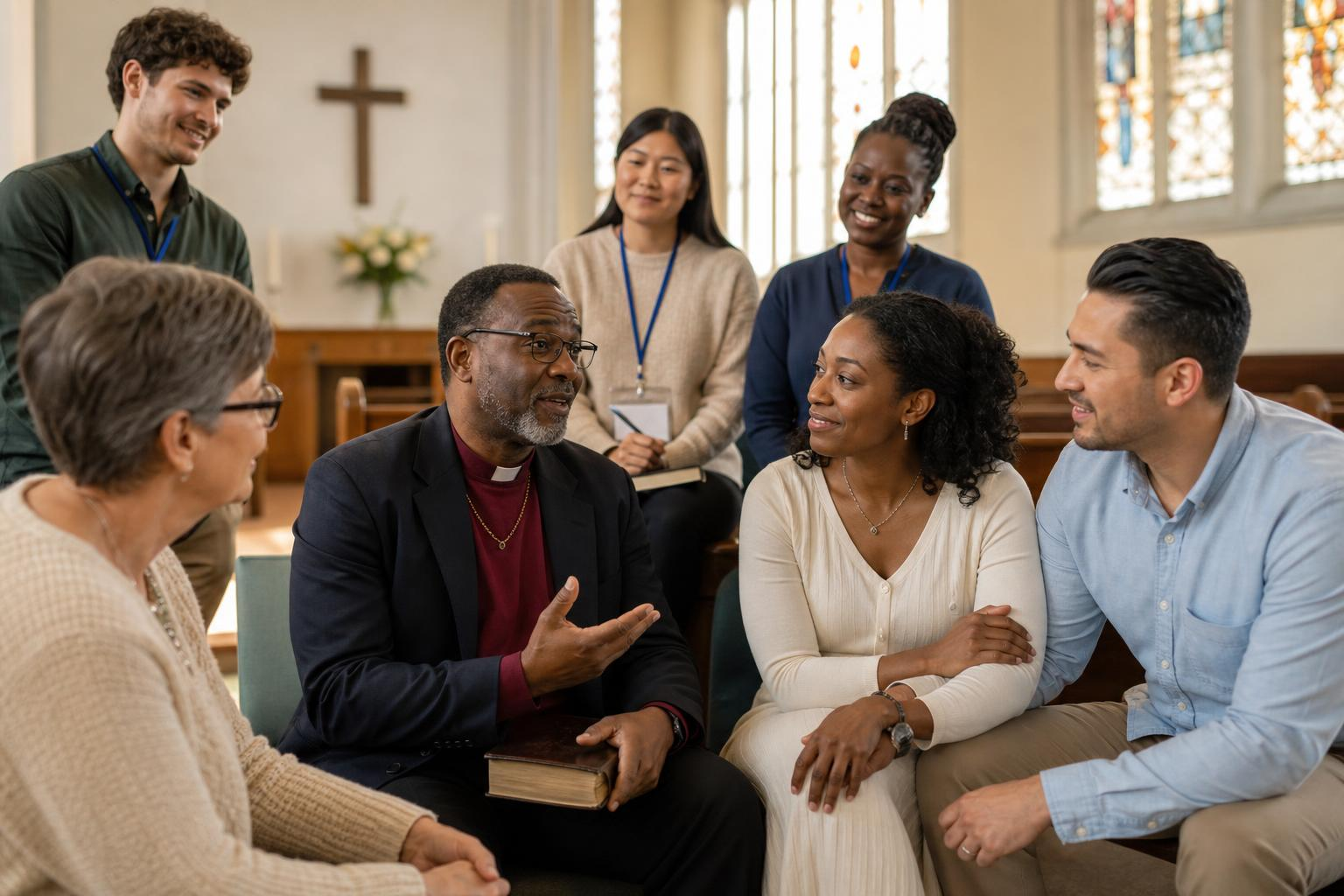
Love centered ministry is not mainly about having the right platform, the perfect words, or a polished public image. It is about showing up with honesty, gentleness, respect, and steady service so people feel seen, safe, and cared for. For ministers, officiants, and church leaders, that means building habits that protect trust before, during, and after weddings, pastoral moments, and community gatherings.
This guide lays out five commitments that help a ministry stay grounded in integrity, compassion, respect, humility, and service. It is written for people who want to serve with faithfulness and practical wisdom, not perform spirituality. If you are looking for a broader overview of civil ceremonies, you can also read the Civil Wedding Ceremony Guide alongside this article.

Why love centered ministry starts with commitments, not charisma
Many people can sound warm for a moment. Fewer can stay trustworthy when plans change, emotions run high, or a couple has different beliefs, family pressures, or financial limits. The real test of ministry is whether people experience care that is consistent, honorable, and useful. That is why commitments matter.
For a ministry serving couples, ministers, churches, venues, donors, and volunteers, commitments act like a compass. They help a leader make better decisions when the answer is not obvious. They also help protect people from harm, confusion, and pressure. In that sense, love centered ministry is not soft. It is steady.
1. Commit to integrity in every promise and plan
Integrity means telling the truth, keeping clear agreements, and doing what you said you would do. In ministry, that can look ordinary from the outside: returning messages on time, confirming details carefully, being honest about what you can and cannot provide, and refusing to exaggerate your role or authority.
Integrity also means being careful with civil wedding expectations. A civil wedding is generally understood as a legally recognized marriage ceremony that is separate from a religious ceremony, but what that means in practice can vary by location. Couples should verify local marriage-license rules, who may officiate, and any required filings with the appropriate government office. Those details are jurisdiction-specific and should be reviewed locally before publication or use. (publications.ici.umn.edu)
For ministers, integrity builds trust faster than polished language ever will. If you do not know an answer, say so plainly. If a couple needs a different officiant, another venue accommodation, or more time, name that early. Honesty is not coldness; it is a form of care.
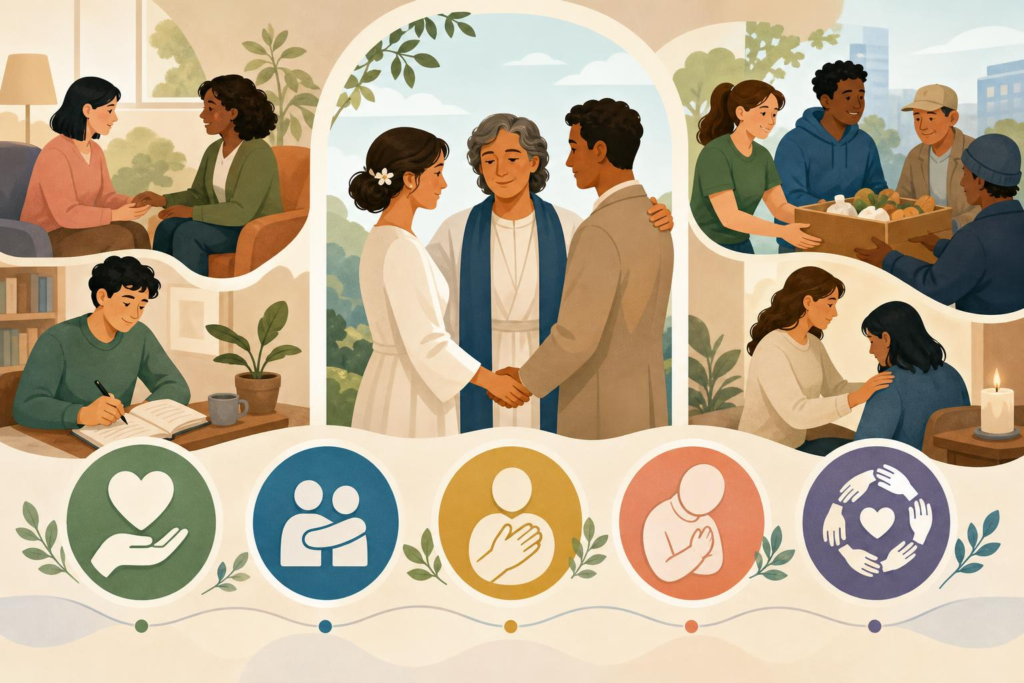
- Confirm dates, times, and responsibilities in writing.
- Explain limits clearly and kindly.
- Verify local legal steps before advising couples.
- Follow through on every promised action.
2. Commit to compassion that notices the whole person
Compassion is more than being nice. It is the willingness to notice stress, grief, family tension, disability access needs, cultural differences, and financial strain without making a couple feel like a burden. That kind of care helps people breathe again.
In practice, compassion asks a minister to slow down enough to listen. It also asks leaders to create room for different communication styles, different levels of faith commitment, and different family stories. Universities and interfaith centers that support spiritual care often describe service, human dignity, and inclusive community as core qualities of effective care, which lines up well with healthy ministry practice. (acpe.edu)
What does compassion look like when a couple is overwhelmed? Example: A couple arrives anxious because family disagreements are spilling into planning, and one partner is worried the ceremony will feel rushed. A compassionate response is to pause, simplify the next step, and help them focus on what matters most for their vows and support system. Short answer: Slow down and reduce pressure.
Compassion also keeps us from shaming people for budget limits. A meaningful ceremony is not made better by spending more money. Sometimes the most loving choice is the simplest one.
3. Commit to respect across faiths, families, and identities
Respect means treating people as image-bearers and neighbors, even when their beliefs, family structure, or life experience differs from your own. In a love centered ministry, respect is not a slogan. It shows up in language, tone, and logistics.
That may include using a couple’s preferred names, asking how they want their families addressed, and avoiding assumptions about gender roles, race, disability, sexuality, culture, or spiritual background. Interfaith and inclusive campus ministries often emphasize curiosity, humility, and respect for difference because these habits help people learn without flattening each other’s stories. (interfaithcenter.emory.edu)
How should a minister plan for respectful inclusion? Example: You are preparing a ceremony for a couple with different faith backgrounds and one side of the family wants a more traditional tone while the other prefers simplicity. A respectful approach is to ask what each person needs to feel honored, then build a service that keeps the couple at the center. Short answer: Ask, then adapt with care.
Respect matters in the smallest things too. A chair for someone who cannot stand long. A readable order of service. A clear explanation of what will happen next. Those are not extras; they are part of honoring people well.
4. Commit to humility before you assume authority
Humility does not mean insecurity. It means knowing your role, your limits, and your need to keep learning. A humble minister does not act as if every family situation is simple or every ceremony should look the same.
This commitment is especially important in civil-wedding contexts and ordination-related conversations. Laws, policies, and officiant expectations can change, and they can differ from one state or locality to another. State-specific legal claims should be reviewed by a qualified human before publication or practice. If you are unsure whether a minister may officiate in a particular location, verify with the relevant government office and use the OrdainedPro starting point at https://maps.ordainedpro.com/ as a practical next step for state-by-state exploration. This article does not provide legal advice. (publications.ici.umn.edu)
Humility also means being teachable about people who are different from you. The best ministers keep learning from couples, elders, younger leaders, disabled participants, interfaith partners, and volunteers. That kind of openness protects the ministry from becoming narrow or self-protective.
5. Commit to service that makes love usable
Service is where all the other commitments become visible. A ministry may speak beautifully about love, but service asks a harder question: Did anyone actually receive help?
In practical terms, service means removing obstacles. It can mean helping a couple understand the next form to complete, showing a volunteer how to support guests kindly, preparing a simple ceremony plan, or directing someone to resources for worship, support, or community involvement. It can also mean connecting people to further help rather than trying to solve everything alone.
Ministries of Love exists to support couples, ministers, churches, venues, donors, and volunteers with compassionate and practical resources. If someone needs a next step, a gentle place to begin is Get Support or Get Involved, depending on whether they need care or want to serve. For people who are able to give, Cash Donation may be a helpful option when it genuinely fits their intent.
Service does not have to be flashy to be faithful. Often the most helpful ministry is calm, prepared, and easy to follow.
A simple comparison of the five commitments
| Commitment | What it protects | What it looks like in practice |
|---|---|---|
| Integrity | Trust | Clear promises, honest limits, accurate details |
| Compassion | Emotional safety | Gentle listening, reduced pressure, thoughtful care |
| Respect | Dignity | Inclusive language, attentive planning, cultural care |
| Humility | Wise decision-making | Learning, asking questions, verifying local rules |
| Service | Real support | Practical help, clear next steps, usable resources |
How these commitments shape a stronger ceremony ministry
These five commitments are not separate from one another. They work together. Integrity keeps your word. Compassion softens your tone. Respect keeps people from being overlooked. Humility keeps you teachable. Service turns good intentions into actual help.
When a ministry lives this way, couples usually feel it quickly. They do not need perfection. They need steadiness. They need someone who can walk with them, keep the process clear, and honor the sacred weight of the day without making it harder than it already is.
For readers who are specifically working through ceremony structure or vows, the Wedding Vows and Speeches Guide can be a helpful companion resource. It pairs well with a love centered ministry approach because strong words matter most when they are grounded in care.
Next steps for ministers, couples, and ministry teams
For ministers: Review your intake questions, ceremony workflow, and follow-up habits. Look for places where honesty, inclusion, or clarity could be stronger.
For couples: Ask the people helping you whether they can explain the process plainly, respect your values, and handle local legal questions carefully.
For churches and volunteers: Build a simple checklist for hospitality, accessibility, and communication so no one has to guess what comes next. If your team wants to learn more about how Ministries of Love frames its broader mission, the About page is a natural place to start.
If your organization is exploring wider community involvement, you may also want to consider a support pathway that fits your situation, such as connecting through Get Involved or Get Support. Keep the next step simple and human.
Conclusion: love centered ministry is steady, not showy
Love centered ministry lasts when it is built on integrity, compassion, respect, humility, and service. Those commitments help ministers care well for real people in real situations, including couples navigating faith differences, budgets, family concerns, and legal details. Keep the work honest, keep the tone gentle, and keep the focus on what helps. That is how ministry stays faithful and useful at the same time.
Frequently Asked Questions
What does love centered ministry mean in practice?
It means serving people with honesty, care, respect, humility, and practical help. In everyday ministry, that shows up as clear communication, thoughtful inclusion, and steady follow-through.
Is a civil wedding the same as a religious ceremony?
No, they are usually different in purpose and structure. A civil wedding is generally a legally recognized ceremony, while a religious ceremony centers faith practice; couples should verify local rules because requirements vary by location.
Who may officiate a civil wedding?
That depends on the jurisdiction. Couples and ministers should check the local marriage rules and confirm who is legally recognized to officiate before making plans.
How can a minister be respectful when a couple has different beliefs?
Start by asking what each person values and what they want honored. Then build the ceremony around those shared priorities instead of forcing one style on everyone.
What should a ministry do if the couple has a tight budget?
Offer simple, meaningful options without shame. A smaller ceremony can still be beautiful, dignified, and deeply faithful.
Leave a Reply