Compassion in Islam is often expressed through the word rahmah, which points to mercy, tenderness, kindness, and active care. In Muslim teaching, mercy is not just a feeling; it is meant to show up in how people pray, speak, forgive, give, and serve. This article explains the idea plainly, while also noting that Muslim communities are diverse and that lived practice varies by culture, school of thought, and personal devotion.
For readers who want a broader introduction to Islam, you may also find the Pluralism Project’s Islam overview helpful. It is a useful starting point for seeing Islam as a diverse, living tradition rather than a stereotype. (pluralism.org)
What does compassion in Islam mean?
Compassion in Islam centers on rahmah, a term tied to mercy, loving-kindness, and care for others. Muslim sources commonly connect this idea to God’s mercy and to the believer’s responsibility to act mercifully in the world. The Pluralism Project describes God in Islam as characterized by mercy and compassion, and Islamic Relief UK connects charitable giving to kindness, sympathy, and social duty. (pluralism.org)
In practical terms, that means compassion is not limited to private emotion. It can include forgiveness, patience, generosity, gentleness in speech, and help for people in need. Many Muslims understand these as part of faithful living, not optional extras. (islamic-relief.org.uk)
How do Muslims express mercy in everyday life?
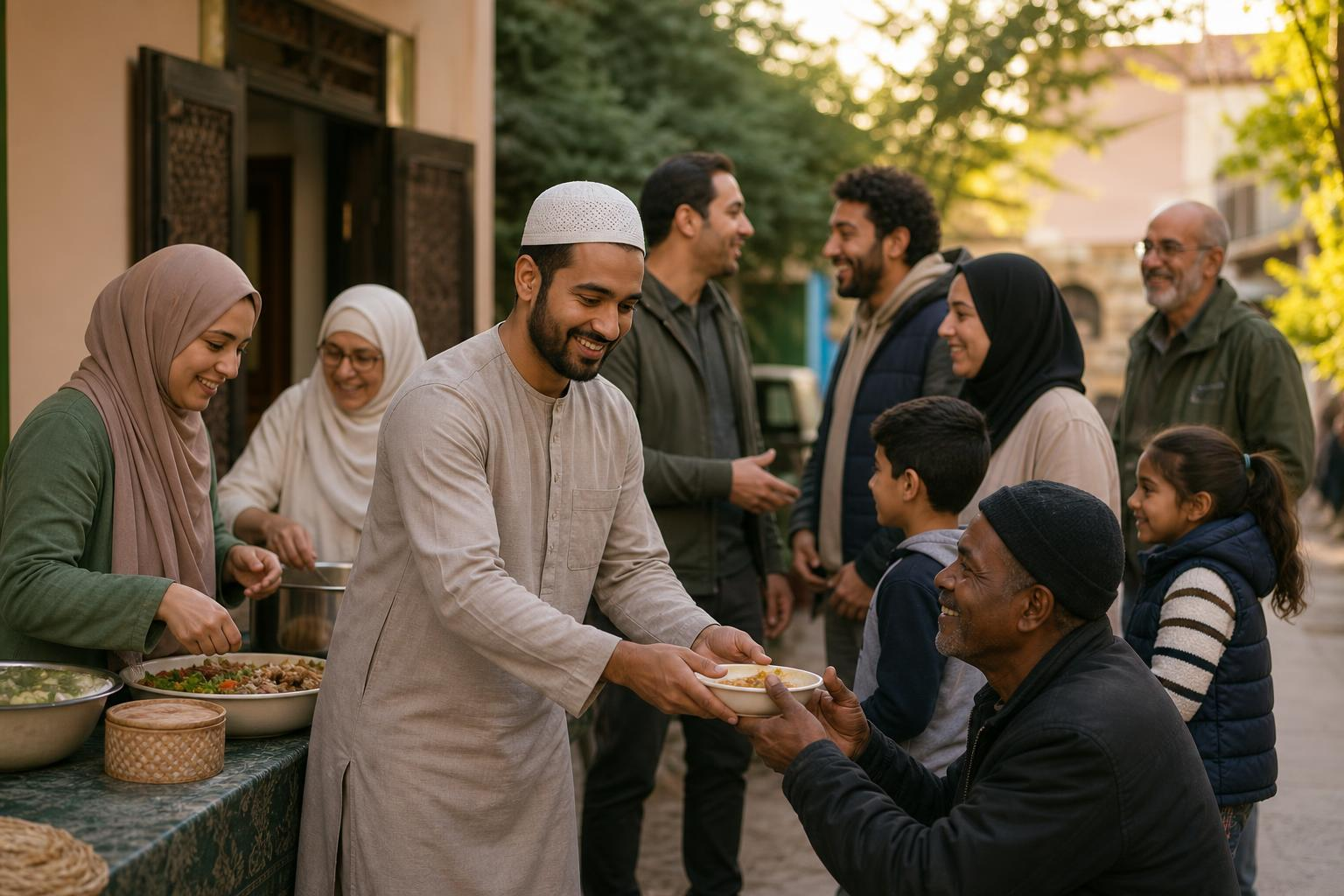
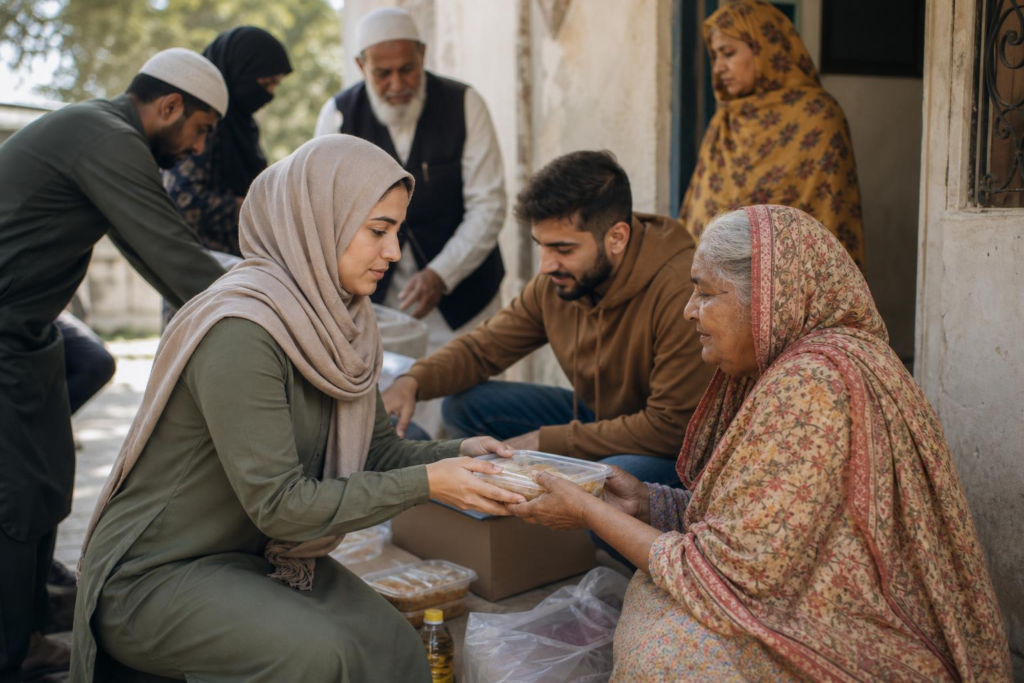
Muslims may express mercy in many ordinary ways: helping a neighbor, feeding someone in need, speaking gently, reconciling after conflict, caring for family, and giving charity. Islamic Relief UK describes believers as being like one body in mutual kindness, compassion, and sympathy, which is a vivid way of saying that one person’s harm matters to the whole community. (islamic-relief.org.uk)
Charity is one of the clearest expressions of compassion in Islam. In Islamic teaching, giving is not only about generosity; it is also about humility and responsibility, because wealth is understood as something entrusted by God. Islamic Relief UK explains that voluntary giving such as sadaqah can be an act of love, compassion, and faith. (islamic-relief.org.uk)
Examples of mercy in action:
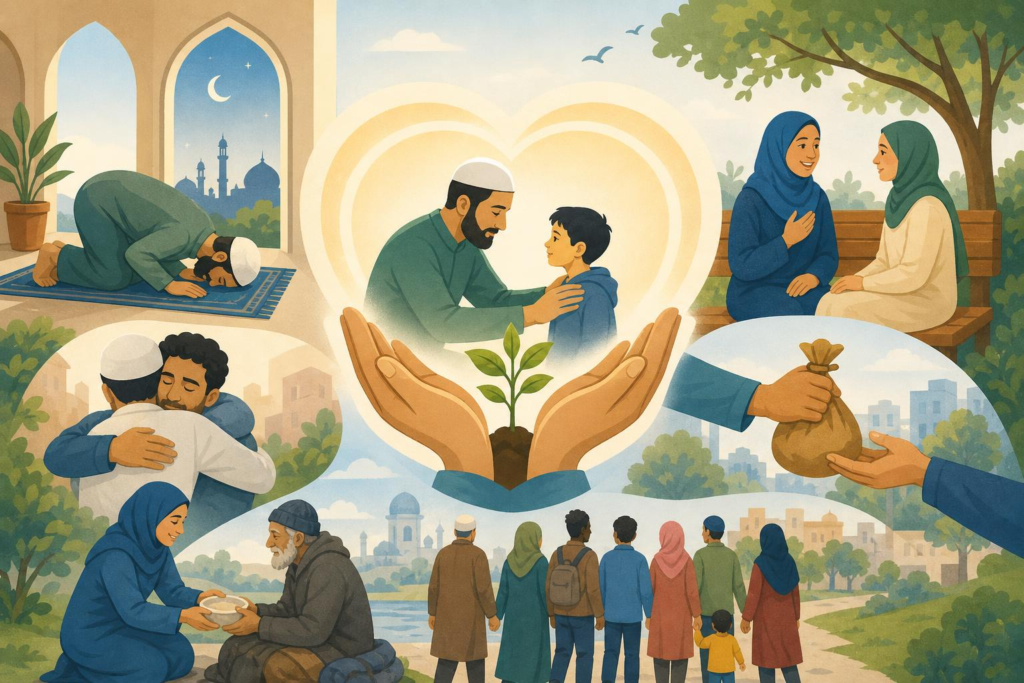
- offering help without humiliating the person who receives it
- forgiving when forgiveness is possible and wise
- making room for difference inside a diverse community
- supporting people facing poverty, grief, isolation, or displacement
Quick reflection checklist
- Am I treating people with dignity?
- Is my giving consistent, not performative?
- Do my words match my values?
- Am I learning from Muslim voices directly?
Mercy and compassion are not the same as weakness
Some people hear “mercy” and assume it means being passive, soft, or unwilling to set boundaries. That is not a helpful reading of the Islamic tradition. In many Muslim teachings, mercy is paired with responsibility, justice, and self-discipline. The Pluralism Project notes that Muslim belief includes mercy alongside justice and wisdom, which reminds readers that compassion is meant to be morally serious, not sentimental. (pluralism.org)
That matters because compassion without truth can become vague, and truth without compassion can become harsh. Islamic ethics generally asks believers to hold both together. In everyday life, that can look like correcting someone firmly but respectfully, helping someone without enabling harm, or speaking truth in a way that preserves dignity. This is an inference from the sources rather than a single quoted rule, but it fits the way mercy and justice are presented together in the materials consulted. (pluralism.org)
How does compassion in Islam differ from stereotypes?
One of the most useful things a reader can do is separate faith teaching from media caricature. Islam is often flattened into headlines about conflict, but the sources reviewed here present mercy, forgiveness, charity, and community care as central themes. The Pluralism Project also emphasizes the diversity of Muslim communities, including differences by ethnicity, immigration history, and background. (pluralism.org)
That means a respectful approach should avoid these mistakes:
- treating Islam as one uniform culture
- assuming religious observance always looks the same
- equating piety with extremity
- reducing Muslim identity to politics or conflict
For interfaith readers, the better question is not, “Are Muslims compassionate?” but, “How do Muslim communities understand and practice compassion in different settings?” That question opens the door to learning instead of labeling. (pluralism.org)
What should a newcomer remember about rahmah?
Compassion in Islam is easiest to understand when you keep three ideas together: God is described with mercy; believers are called to reflect mercy; and mercy should appear in concrete action. The basmalah, which begins most chapters of the Qur’an, invokes God as “the Merciful, the Compassionate,” and that repeated language signals how foundational mercy is to the tradition. (pluralism.org)
Planning question: What kind of mercy do you want people to feel in your home, community, or ministry? Example: We want guests, neighbors, and volunteers to feel welcomed without pressure, and we want our actions to be practical rather than flashy. Short answer: Mercy should feel lived, not staged.
If you are exploring Islam for interfaith work, teaching, or community support, it helps to read a range of Muslim-authored or Muslim-led resources and to ask local Muslim communities how they would describe their own values. That keeps the learning grounded and respectful. (pluralism.org)
Simple comparison: mercy, charity, and community care
| Concept | What it emphasizes | Everyday expression |
|---|---|---|
| Rahmah | Mercy, tenderness, compassionate care | Gentle speech, forgiveness, patience, support |
| Sadaqah | Voluntary giving out of love and faith | Charity, donations, practical help |
| Community solidarity | Shared responsibility for others | Showing up for the hungry, grieving, or isolated |
This table is a simple reading guide, not a legal or theological definition. It is meant to help newcomers see how compassion in Islam can be expressed through different but related practices. (islamic-relief.org.uk)
How Ministries of Love can support respectful learning
Ministries of Love serves couples, ministers, churches, venues, donors, and volunteers with compassionate, practical resources. For readers using this article as part of interfaith ministry, community outreach, or preparation for a shared event, the key is to approach Muslim neighbors with humility and care rather than assumptions. That posture is consistent with the mercy-centered themes highlighted in the sources above. (pluralism.org)
If your next step is broader interfaith support, consider starting with Get Support. If you want to help with outreach or service, Get Involved may be a helpful next step. If you are considering financial help for ministry work, the cash donation page may be relevant, but readers should review current details carefully before acting. Any nonprofit, tax, or donation-related implications should be reviewed by a human editor before publication. (islamic-relief.org.uk)
Frequently Asked Questions
What does compassion in Islam mean?
Compassion in Islam means mercy that is both heartfelt and practical. It is often described with the word rahmah, which includes kindness, tenderness, forgiveness, and care for others.
Is rahmah just about being nice?
No, rahmah is more than being nice. It also includes responsibility, humility, and action, such as giving charity, helping others, and speaking with dignity.
How is compassion in Islam different from stereotypes?
Compassion in Islam is broader and richer than common stereotypes suggest. Muslim sources emphasize mercy, justice, charity, and community care, and Muslim communities are diverse in culture and practice.
How do Muslims show mercy in daily life?
Muslims may show mercy through generosity, forgiveness, gentle speech, family care, and service to people in need. These actions are often understood as part of faithful living.
Where should a beginner start learning about Islam?
A beginner should start with reliable Muslim-led or faith-informed sources and basic overviews that explain core terms in context. It also helps to ask local Muslim communities how they describe their own beliefs and practices.
Leave a Reply