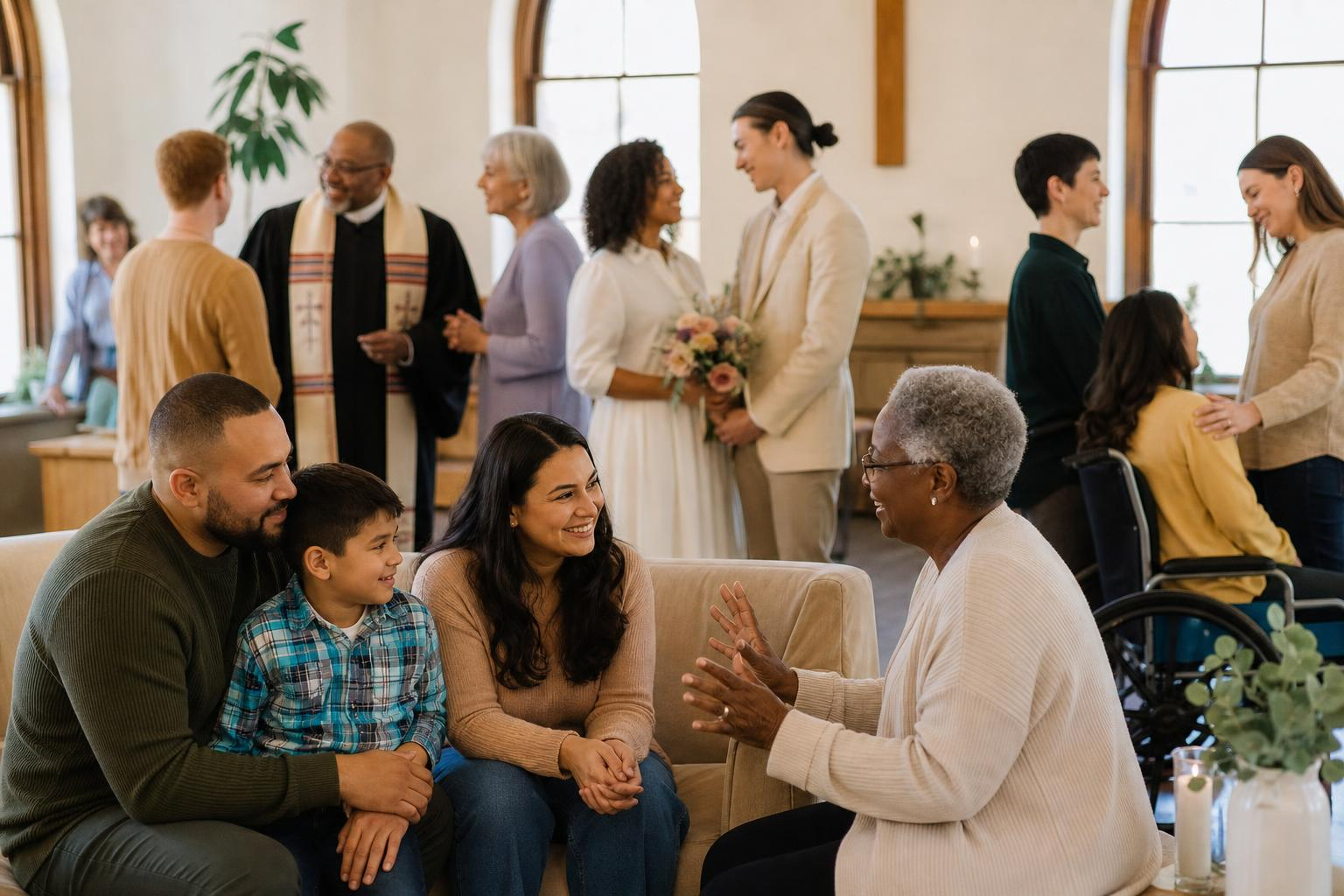
Compassion for all is not a slogan. It is a way of seeing people clearly, then serving them with dignity, patience, and care.
In weddings, ministry settings, and community outreach, that means learning to ask better questions, listen before deciding, and avoid assumptions about a person’s faith, family structure, finances, ability, or story. It also means making room for people to show up as they are, not as we expected them to be.
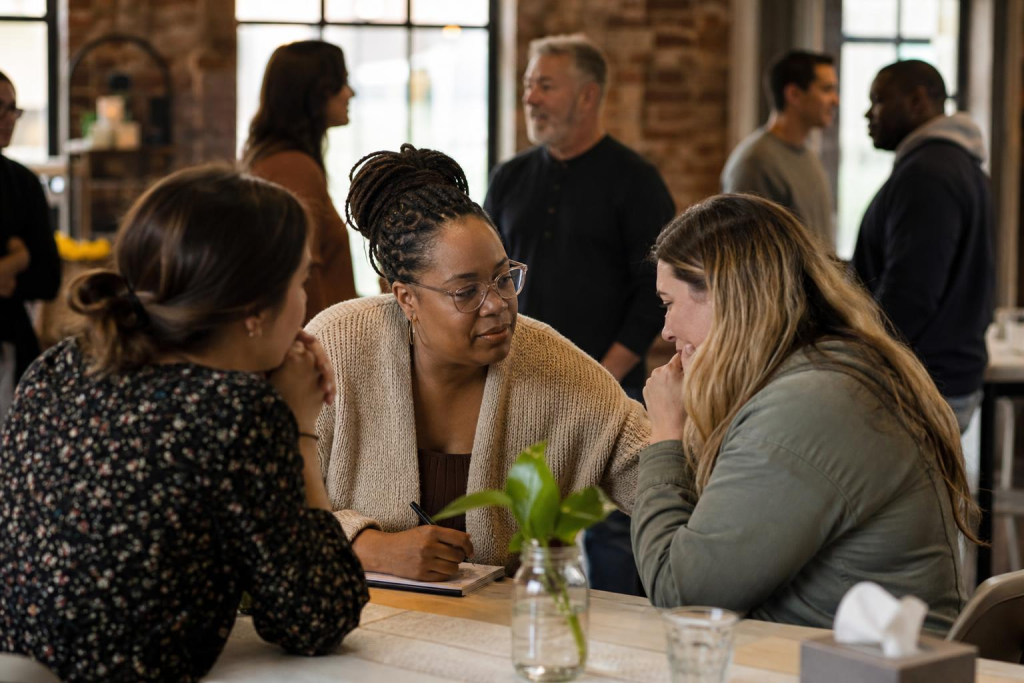
Why compassion begins with seeing the person first
Compassion grows stronger when we remember that people are not categories. A couple is not just “young” or “low budget” or “nontraditional.” A volunteer is not just “available” or “unavailable.” A family is not “hard to work with” because they have needs we did not anticipate.
Public health and community guidance consistently points toward respectful, inclusive communication that reflects people’s identities and experiences, uses non-stigmatizing language, and helps build trust. That same principle fits beautifully in faith-rooted service: respectful words and careful listening help people feel seen instead of sorted. (cdc.gov)
For Ministries of Love, this aligns naturally with community care that aims to support couples, ministers, churches, venues, donors, and volunteers without making people prove they deserve kindness first. The ministry’s own about and outreach pages can be used as a starting point for understanding that posture and mission. (cdc.gov)
Start by asking what people need, not what you assume
Many service missteps happen because helpers rush to solve the wrong problem. One couple may need ceremony support. Another may need a calm conversation about timing, family dynamics, or modest resources. A volunteer may want a meaningful role but not know where to begin.
Useful practice: ask open-ended questions that invite the full picture. “What would feel most helpful right now?” “What matters most to you in this celebration?” “Is there anything we should know to make this easier for you?”
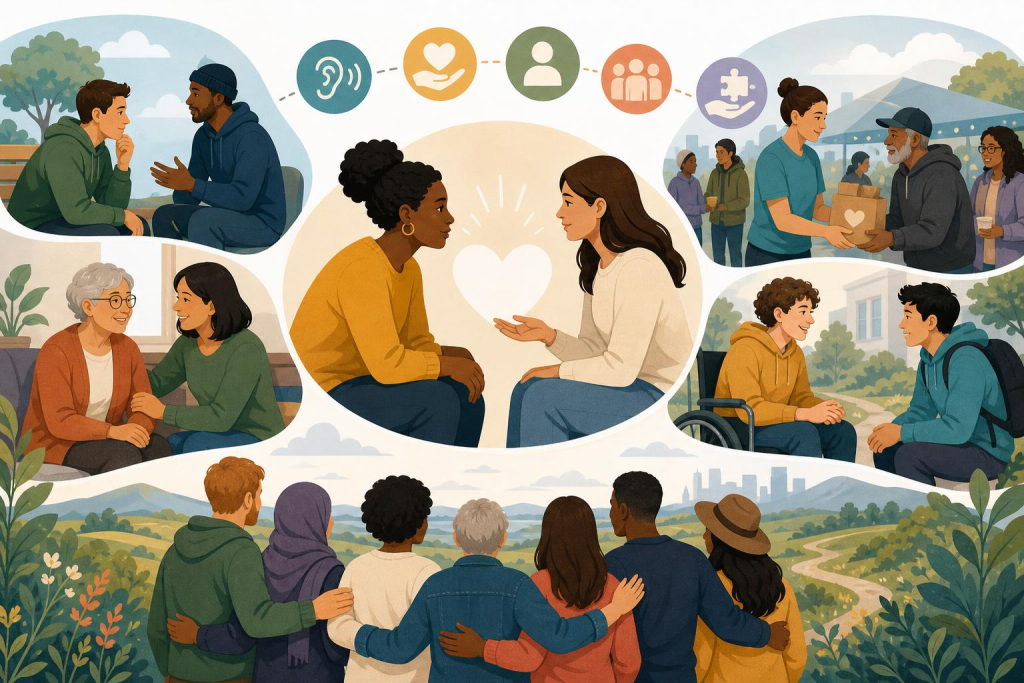
That kind of question honors dignity and gives people room to name needs they may not volunteer unprompted. It also keeps service from becoming a guessing game. The CDC’s inclusive communication guidance emphasizes tailoring language to the audience, using respectful wording, and reflecting the diversity of the people being served. (cdc.gov)
How to offer dignity in practical, everyday ways
Dignity is not abstract. It shows up in how forms are written, how greetings are spoken, how appointments are handled, and how follow-up happens. Small choices can either reduce stress or quietly increase it.
Use names and terms people choose. If a couple introduces themselves a certain way, mirror that respectfully. If someone prefers a different label, title, or pronoun, use it without turning the moment into a debate. Inclusive communication guidance from public agencies and professional organizations consistently stresses that respectful, person-centered language reduces harm and strengthens connection. (cdc.gov)
Make space for different communication needs. Some people need plain language. Some may prefer written steps. Some may need captions, translation, a slower pace, or a quieter setting. CDC guidance on disability communication and inclusive communication emphasizes people-first, accessible, and respectful language, as well as communication approaches that are understandable and usable by more people. (cdc.gov)
Avoid surprise and pressure. If you can tell people what will happen next, what information is needed, and what choices they have, they can participate more fully and with less anxiety.
What meeting people where they are looks like in ministry and wedding support
Meeting people where they are is not lowering standards. It is adjusting our posture so our help is actually usable. In a ministry or wedding setting, that may mean being flexible about communication, respectful about budget realities, and careful not to treat a couple’s circumstances as a spiritual test.
For example, one couple may be planning a simple ceremony because that is what they love. Another may be managing multiple family expectations. Another may be looking for help because they cannot easily absorb hidden costs. Compassion for all means we do not rank those stories by appearance.
That is also where a ministry like Ministries of Love can be a helpful next step when its support aligns with the need. The organization’s mission pages can point people toward compassionate wedding assistance, ordainment and ministry guidance, community outreach, and efforts that make meaningful celebrations more accessible. Used well, those services should serve people’s actual situation, not force them into a one-size-fits-all idea of what a celebration should look like. (cdc.gov)
A simple decision guide for compassionate service
When you are deciding how to respond, it helps to slow down and compare your options. The goal is not to do everything; it is to do the next kind and sensible thing.
| Situation | Unhelpful response | Compassionate response |
|---|---|---|
| A couple seems overwhelmed | Push them to decide quickly | Offer a short, clear next step and follow up later |
| Someone shares a limited budget | Act disappointed or suggest they “wait until they can afford more” | Focus on what is meaningful, workable, and respectful now |
| A person uses different language or labels | Correct them or debate terminology | Reflect their language respectfully and keep listening |
| Accessibility needs arise | Assume they are being difficult | Adjust communication, timing, or environment where possible |
This is the practical heart of compassion for all: respond to what is true, not what is easiest to assume.
How to keep compassion steady when emotions are high
People often bring stress to wedding planning, ministry decisions, and community outreach. That stress may come from grief, family conflict, money pressure, disability-related barriers, cultural differences, or simply feeling invisible. Compassion does not remove those burdens, but it can make them lighter.
Try these steady habits:
- Pause before answering. A brief pause can prevent a careless assumption.
- Reflect back what you heard. “So what matters most is keeping this simple and peaceful.”
- Offer one clear next step. Too many options can overwhelm people who are already stretched thin.
- Protect privacy. Do not repeat personal details unless there is a real need and permission.
- Stay humble. If you got it wrong, correct it quickly and kindly.
That approach is consistent with the broader guidance on community engagement and respectful communication: shared decision-making, transparency, and trust grow when helpers are honest, flexible, and willing to listen. (atsdr.cdc.gov)
Quick compassion checklist:
- Did I ask before I assumed?
- Did I use respectful, person-centered language?
- Did I offer a usable next step?
- Did I avoid shaming or comparing?
- Did I make room for different needs and backgrounds?
Planning question: what would make someone feel respected right away?
Question: If a couple, volunteer, or guest walked in today carrying stress, what would help them feel respected in the first five minutes?
Example: We might greet them warmly, ask what name or title they prefer, explain the next step in plain language, and let them know there is no rush to have every answer immediately.
Short answer: Warm welcome, clear next steps.
How Ministries of Love can fit into a compassionate next step
When a reader is looking for a faith-rooted place to begin, Ministries of Love can be a thoughtful starting point for guidance around weddings, ordination, and community support. That kind of support is most useful when it meets people gently, without judgment, and without pretending that every couple needs the same path.
Used well, the ministry’s public-facing resources can help people move from uncertainty to action: a couple may need support planning a meaningful ceremony, a minister may need guidance, or a volunteer may want to serve in a practical way. The point is not to create pressure. The point is to make room for people to take the next honest step. (cdc.gov)
Conclusion: compassion is a practice, not a personality trait
Some people think compassion is something you either have or do not have. In truth, it is something we practice. We listen more carefully. We ask better questions. We make fewer assumptions. We choose dignity over convenience.
That is how compassion for all becomes real: not by speaking broadly, but by serving concretely. Meet people where they are, and give them room to be fully human. That alone can change the tone of a wedding plan, a ministry conversation, or a community outreach moment in ways that matter deeply.
If you are shaping a welcome, a ceremony, or a support plan, start small, stay honest, and keep the door open. That is often where grace enters.
Frequently Asked Questions
What does “compassion for all” mean in practical terms?
It means treating each person with dignity, listening before assuming, and adapting support so it fits their real situation rather than a preset idea of what they need.
How can a ministry show compassion without overpromising?
By offering clear, respectful guidance, being honest about what is and is not available, and referring anything legal, financial, or state-specific to human review.
Why is inclusive language important in community and wedding support?
Inclusive language helps people feel respected, reduces stigma, and makes it easier for them to engage honestly and confidently.
How do we support couples with limited resources without shaming them?
Focus on meaning, not price. Offer practical options, keep communication warm, and avoid suggesting that a more expensive celebration is more valuable.
Leave a Reply