
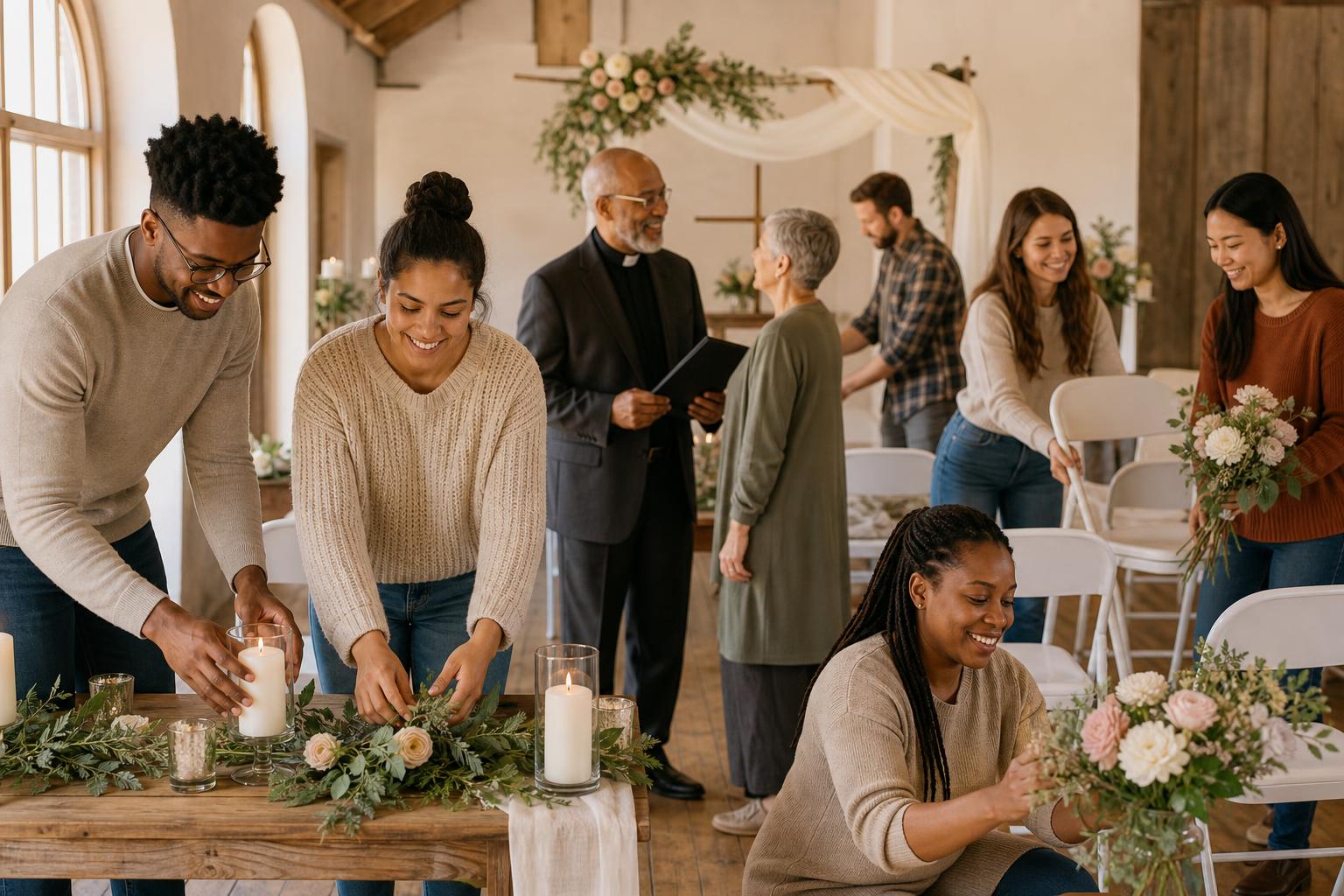
Ministries of Love
What Does It Mean to Lead with Love and Serve with Peace?
To lead with love and serve with peace is to shape your words, choices, and relationships around compassion, humility, and care. For couples, ministers, churches, venues, donors, and volunteers, this kind of faith-centered leadership is less about being impressive and more about being present, steady, and gracious in everyday life.
Love and peace are not abstract ideals
In Christian faith, love and service are deeply connected. The Church of England describes Christian life as a rhythm of worship and service, including loving one’s neighbor, seeking peace, and doing justice. Its prayers and worship resources also regularly connect compassion, peace, reconciliation, and service to daily discipleship. (churchofengland.org)
For a ministry like Ministries of Love, that means bringing faith into practical care: showing up, listening well, sharing resources wisely, and helping people feel supported rather than judged. The goal is not perfection. The goal is faithful, patient love in action.
What it looks like in daily life
Leading with love often begins with small habits:
- Speaking gently, especially during stress.
- Choosing patience when plans change.
- Making room for people with different needs, abilities, backgrounds, and budgets.
- Serving without needing attention or control.
- Seeking reconciliation instead of winning an argument.
Serving with peace means creating a calm, welcoming environment where people can participate without fear of embarrassment or pressure. In a wedding or ministry setting, that may look like clear communication, thoughtful preparation, and simple support that helps everyone breathe easier.
How this matters for couples and weddings
A wedding does not need to be expensive to be meaningful. Couples can honor God, family, and community through a simple ceremony, a shared prayer, a modest reception, or a carefully planned gathering that fits their real circumstances. Love-centered planning makes room for dignity, not display.
Ministries of Love is rooted in the idea that practical support can make sacred moments more peaceful. That may include helping couples think through ceremony details, encouraging clear expectations, or connecting them with caring people who can lend a hand.
What kind of wedding atmosphere would help your relationship feel most supported and at peace? Example: We are envisioning a warm, simple ceremony with close family, calm pacing, and a few meaningful details that reflect our faith and personality. Short answer: Simple, warm, faith-centered.
Practical ways to lead with love and serve with peace
Here are a few grounded steps anyone can take:
- Begin with listening. Ask what people actually need before offering solutions.
- Keep communication clear. Peace grows when expectations are explained kindly and early.
- Practice generosity with limits. Give what you can, without overextending yourself.
- Make room for dignity. Honor people’s circumstances, including financial constraints.
- Use simple, shared language. Avoid making faith or service sound elitist or intimidating.
- Offer practical help. A meal, a ride, a set-up hand, or a prayer can be deeply loving.
What peace looks like in ministry leadership
Peace in ministry is not passive. It can mean preparing well, resolving tension calmly, and creating space where people feel safe to ask questions. The Church of England’s worship resources connect peace with healing, compassion, and service, reminding readers that faithful leadership includes care for the whole person and the whole community. (churchofengland.org)
For churches and volunteer teams, peace may also mean coordinating responsibilities so one person does not carry everything alone. For donors and supporters, it may mean giving in ways that are reliable, respectful, and responsive to real needs.
A note on inclusion and grace
Love-centered ministry should not make people feel excluded because of their budget, background, age, family structure, or season of life. The Church of England’s Living in Love and Faith resources describe a desire for radical Christian inclusion and for resources that help the Church walk together with difference while seeking love and faithfulness. (churchofengland.org)
That same posture can guide wedding support and community ministry: invite people in, meet them with compassion, and keep the focus on care rather than performance.
Helpful next steps
- Choose one place this week to respond more gently.
- Look for one practical way to ease another person’s burden.
- As a couple, decide what matters most for your ceremony and let the rest be simple.
- As a church, volunteer team, or donor, support resources that protect dignity and reduce stress.
- If you are exploring marriage law or officiant questions, start with the internal OrdainedPro map at OrdainedPro Maps and then verify any state-specific requirements with official government sources before acting.
Conclusion
To lead with love and serve with peace is to choose compassionate action over ego, calm support over pressure, and faithful presence over performance. In home life, church life, and wedding planning, that kind of leadership helps people feel cared for, honored, and at ease.
Ministries of Love can help keep that mission clear: love people well, serve practically, and protect peace wherever you can.
Frequently Asked Questions
What does it mean to lead with love and serve with peace in a ministry context?
It means making compassion, patience, and practical care the center of your actions. Instead of pushing people toward perfection, you create calm, respectful support that helps them feel seen and valued.
Can a simple wedding still be deeply meaningful?
Yes. A meaningful wedding is not defined by cost. A simple ceremony can be beautiful when it reflects the couple’s faith, values, and relationships.
How can churches and volunteers serve with peace?
They can communicate clearly, share responsibilities, listen well, and offer help in ways that are steady and respectful. Peaceful service usually feels organized, kind, and unhurried.
What is one small way to practice love-centered leadership today?
Choose one conversation, task, or decision where you can be more patient and attentive. Even a small act of kindness can set a calmer tone for others.